Medically reviewed by Dr. Pritesh Vidhate, BVSc & AH, MVSc (Medicine), Head Veterinarian at Shivraj Pet Clinic & Exotic Animal Centre.
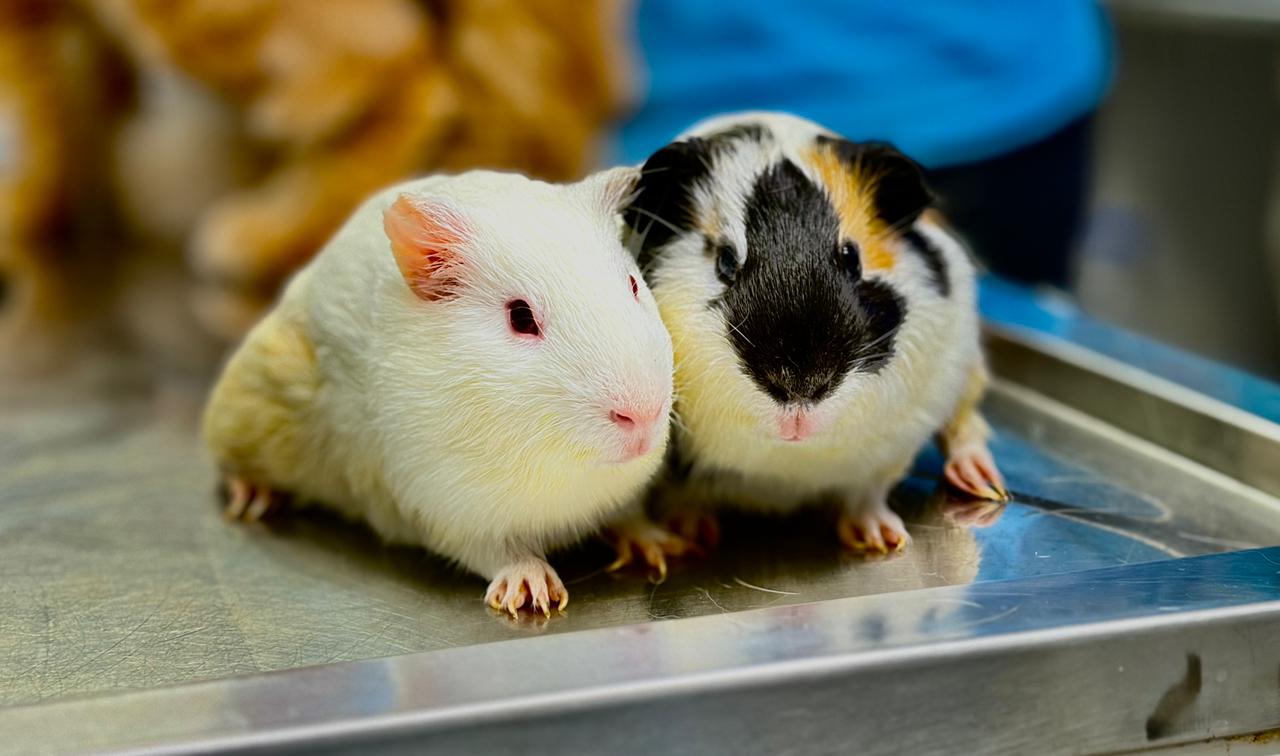
Guinea pig teeth grow continuously throughout life — which means dental problems are one of the most common, and most under-recognised, health issues we see at Shivraj Pet Clinic & Exotic Animal Centre, Wakad & Pimple Saudagar, Pune.
Quick Facts
| Species affected | Domestic pet guinea pigs, all ages |
| Severity | Serious if untreated — leads to weight loss and secondary infection |
| Common causes | Low-fibre diet, genetics, insufficient chewing material |
| Emergency signs | Drooling, complete refusal to eat, visible facial swelling |
| Prevention | Unlimited hay, regular dental checks, appropriate chew items |
Why Dental Problems Are So Common in Guinea Pigs
Unlike humans, a guinea pig's molars and incisors never stop growing. Normally, a high-fibre diet wears them down evenly through constant chewing. When diet lacks enough coarse fibre, or teeth grow unevenly, sharp points and overgrowth can develop — often on the back molars, where it's not visible without a proper oral exam.
Common Causes
- Low-fibre diet — too many pellets and treats, not enough hay
- Genetic predisposition — some guinea pigs are simply more prone to malocclusion
- Insufficient wear — not enough coarse material to chew regularly
- Untreated minor misalignment — small issues that worsen gradually if not corrected
Warning Signs to Watch For
- Drooling or a consistently wet chin
- Dropping food while attempting to eat, or chewing on one side only
- Weight loss despite food being available
- Reduced or no interest in hard foods or hay
- Facial swelling near the jawline
- Reduced grooming, leading to a scruffy coat
What Happens at the Clinic
- Oral examination — back molars often require sedation to examine properly, since they're not visible on a casual look
- Dental correction — filing or trimming overgrown or sharp points under appropriate sedation
- Pain management — dental pain is often significant and addressed alongside the correction itself
- Nutritional support — syringe feeding where needed while the mouth heals
- Follow-up monitoring — since guinea pig teeth keep growing, some cases need periodic rechecks
Prevention
- Provide unlimited access to good-quality grass hay as the majority of the diet
- Limit pellets and treats to the recommended amount rather than free-feeding them
- Offer safe chew items to encourage natural wear
- Book a dental check if you notice any change in eating pattern, even a subtle one
- Weigh your guinea pig regularly — gradual weight loss is often the earliest sign of a developing problem
Frequently Asked Questions
Can I check my guinea pig's back teeth myself at home?
Not reliably — the molars sit far back and require proper equipment and often sedation to examine safely and thoroughly.
Will my guinea pig need repeat dental treatments?
Some guinea pigs, especially those with a genetic predisposition to malocclusion, need periodic dental rechecks throughout life.
My guinea pig is still eating pellets but avoiding hay — is that a concern?
Yes — preferring soft food over hay is a common early sign of dental discomfort and is worth checking before it progresses.
Is dental treatment safe for guinea pigs, given they need sedation?
Yes, with appropriate pre-anaesthetic assessment, sedation for dental work is a routine and safe procedure for guinea pigs.
How much hay does my guinea pig actually need?
As a general guide, hay should make up the majority of daily intake, roughly an amount equal to your guinea pig's own body size, available at all times.
Explore our Exotic Animal Centre for full small mammal care services.
Noticed a change in your guinea pig's eating? Book a consultation at Shivraj Pet Clinic, Wakad & Pimple Saudagar, Pune, or call 077569 65169.