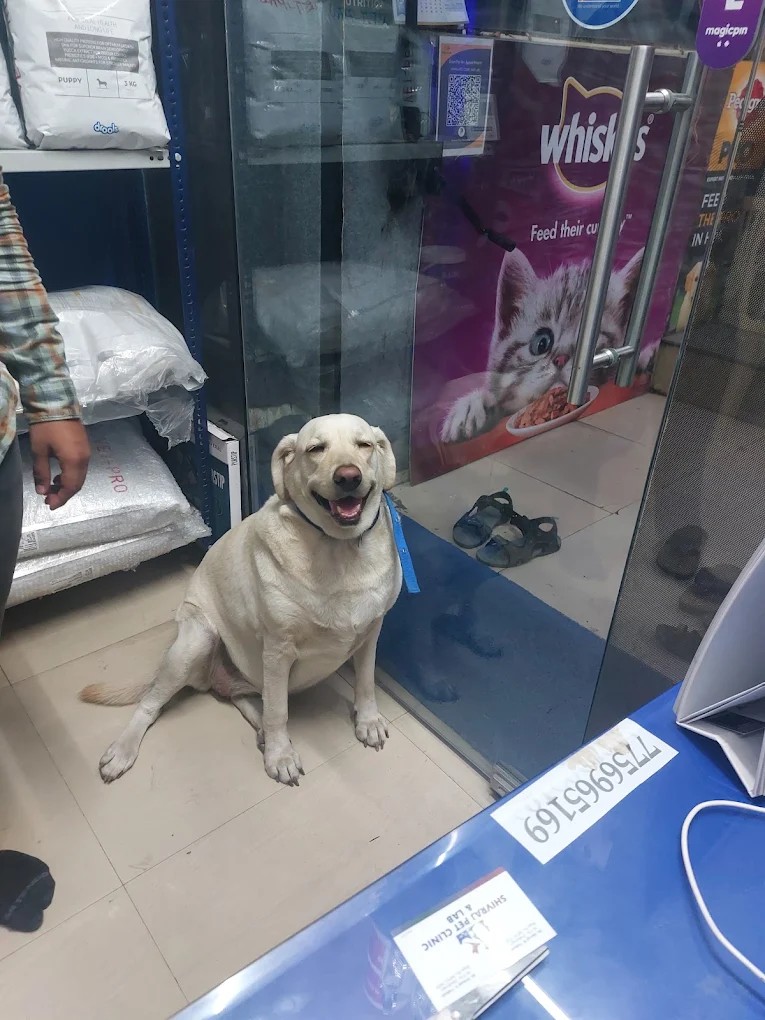
Monsoon brings relief from Pune's scorching summer — but for pet parents, it also brings ticks, skin infections, leptospirosis, and thunder anxiety. At Shivraj Pet Clinic & Lab, we see a sharp rise in tick fever, skin infections, and gastroenteritis cases every July to October. Here is how to keep your dog or cat healthy through the rains.
8 Essential Monsoon Pet Care Tips
1. Clean and Dry After Every Walk
After outdoor walks, wipe down your pet's paws, legs, and underbelly with a dry towel. Pay attention to the spaces between toe pads where moisture collects and causes fungal infections. Never let your pet sit with wet paws — dry thoroughly before allowing them indoors.
2. Daily Tick Check
Ticks thrive in warm, humid conditions — exactly what Pune's monsoon provides. Even indoor pets are at risk as ticks hitchhike indoors on shoes and clothing. After every walk, run your fingers through your pet's coat, particularly around the neck, ears, between toes, and the groin area. Remove ticks immediately using tweezers — grasp close to the skin, pull straight out without twisting.
Tick fever (Ehrlichiosis, Babesiosis) can become life-threatening within days. If your dog develops sudden lethargy, high fever, or stops eating, visit us immediately.
3. Keep Ears Clean and Dry
Moisture trapped in the ear canal is a leading cause of ear infections during monsoon. Clean your pet's ears weekly with a vet-recommended ear cleaner. Dogs with long, floppy ears (Labradors, Spaniels, Beagles) are especially vulnerable. Signs of ear infection include head shaking, scratching at ears, and a foul smell.
4. Avoid Puddles and Stagnant Water
Puddles and stagnant water contain Leptospira bacteria, which causes leptospirosis — a serious disease that affects both pets and humans. Keep dogs away from waterlogged areas, puddles, and floodwater during walks. Ensure fresh, clean drinking water is available at all times.
5. Maintain Vaccination and Deworming
Monsoon increases parasite load and infectious disease risk. Ensure your pet is up to date on all core vaccinations and deworming. Puppies and kittens should be on the monthly deworming schedule. Adult dogs and cats should be dewormed every three months.
6. Watch for Skin Infections
The combination of humidity and wet fur creates the perfect environment for bacterial and fungal skin infections. Signs include red patches, excessive scratching, hair loss, and a musty smell. Keep your pet's coat groomed and dry. Use an antifungal shampoo if recommended by your vet.
7. Manage Thunder Anxiety
Thunder and lightning cause genuine fear in many dogs. Create a safe, enclosed space — a covered crate with familiar bedding works well. Stay calm yourself; your pet mirrors your emotional state. Play soft music to mask the sound of thunder. Do not punish fearful behaviour.
8. Adjust Diet and Exercise
With reduced outdoor exercise during heavy rains, slightly reduce caloric intake to prevent weight gain. Increase indoor play and mental stimulation — puzzle feeders, hide-and-seek games, and training sessions are excellent during monsoon confinement.
If your pet develops vomiting, diarrhoea, lethargy, or fever during monsoon season, do not wait. Call 077569 65169 — we are open Mon–Tue and Thu–Sun at our Wakad & Pimple Saudagar area clinic.


