

Bird Breathing Problems — Warning Signs & When to Rush to the Vet in Pune
Tail-bobbing, open-beak breathing, or a fluffed-up posture in a pet bird can signal a respiratory emergency. Learn the warning signs from Shivraj Pet Clinic & Lab, Wakad & Pimple Saudagar, Pune.
· 5 min read
Medically reviewed by Dr. Pritesh Vidhate, BVSc & AH, MVSc (Medicine), Head Veterinarian at Shivraj Pet Clinic & Exotic Animal Centre.
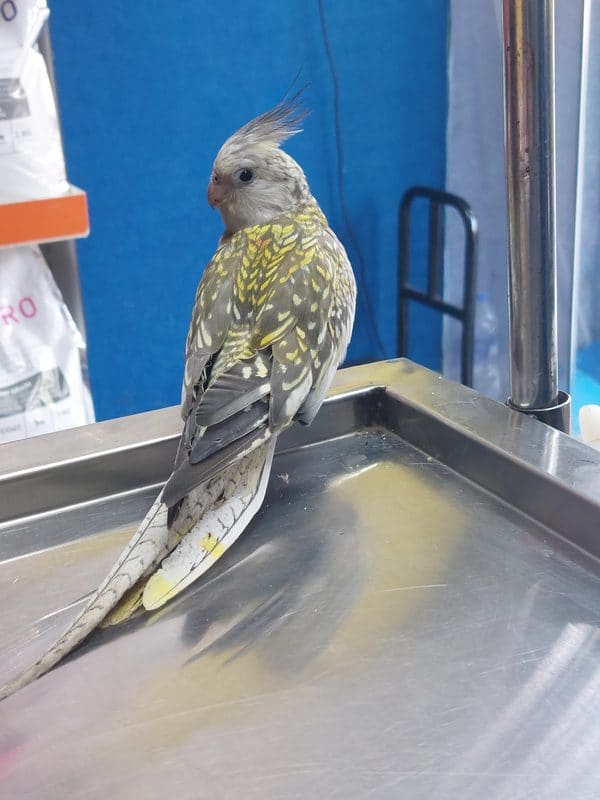
Birds are prey animals by instinct, which means they hide illness extremely well — by the time breathing difficulty is visible, the underlying problem is often already advanced. At Shivraj Pet Clinic & Exotic Animal Centre, Wakad & Pimple Saudagar, Pune, we treat respiratory distress in pet birds as an emergency.
Quick Facts
| Species affected | Budgies, cockatiels, conures, and other pet birds |
| Severity | Can be life-threatening; birds decline quickly once visibly distressed |
| Common causes | Respiratory infection, air sac issues, inhaled irritants, egg-related complications |
| Emergency signs | Tail-bobbing with each breath, open-beak breathing, audible clicking or wheezing |
| Prevention | Good ventilation, avoiding aerosols/fumes near birds, routine wellness checks |
Why Breathing Problems in Birds Are Always Urgent
A bird's respiratory system is different from a mammal's — it's highly efficient at extracting oxygen, but that also means a bird already breathing visibly hard has very little reserve left. What looks like a "sudden" breathing problem is frequently the final, visible stage of something that's been developing quietly for days.
Common Causes
- Respiratory infections — bacterial, fungal, or viral, often affecting the airway or air sacs
- Inhaled irritants — non-stick cookware fumes, aerosols, scented candles, and smoke are genuinely dangerous to birds
- Air sac or lung disease — including chronic conditions that worsen gradually
- Egg-related complications — such as egg binding in female birds, which can restrict normal breathing
- Obesity or fatty liver disease — can reduce normal breathing capacity over time
Warning Signs to Watch For
- Tail bobbing up and down with each breath
- Open-beak breathing, especially at rest
- Audible clicking, wheezing, or a change in voice/chirp
- Fluffed-up feathers with lethargy
- Sitting low on the perch or at the bottom of the cage
- Discharge from the nostrils (nares) or around the eyes
What Happens at the Clinic
- Low-stress handling and examination — birds can decompensate from stress alone, so handling is kept brief and calm
- Oxygen support — provided immediately where needed, often before a full workup
- Diagnostic imaging — X-rays to assess the lungs, air sacs, and check for egg-related causes
- Laboratory testing — to identify infection and guide antibiotic or antifungal treatment
- Environmental correction — advice on removing any household irritant contributing to the problem
Prevention
- Never use non-stick cookware, aerosol sprays, scented candles, or air fresheners in rooms where birds are kept — fumes that are mild for humans can be fatal to birds
- Ensure good ventilation and avoid smoking near your bird
- Watch daily for subtle changes in activity, voice, or posture, since birds mask illness until it's advanced
- Book routine wellness checks even when your bird seems healthy
- Maintain a healthy weight and balanced diet to reduce the risk of fatty liver and related breathing issues
Frequently Asked Questions
My bird's tail moves a little when it breathes — is that normal?
A very slight movement can be normal, but pronounced, rhythmic bobbing with every breath is a warning sign and should be checked promptly.
Could a scented candle really affect my bird's breathing?
Yes — birds have an extremely sensitive respiratory system, and fumes from non-stick cookware, aerosols, and some scented products can cause acute, sometimes fatal, respiratory distress.
Is breathing difficulty always respiratory, or could it be something else?
Not always — conditions like egg binding or fatty liver disease can also restrict normal breathing, which is why a full exam matters rather than assuming it's a lung infection.
How is a bird's breathing problem diagnosed?
Through a calm physical exam, often combined with X-rays and lab testing once the bird is stable enough for handling.
My bird seems fine most of the day but breathes harder after activity — should I be concerned?
Yes, reduced exercise tolerance is worth a check — it can be an early sign before breathing problems appear at rest.
Do you treat budgies and cockatiels as well as larger birds?
Yes, we see a wide range of pet bird species at our Exotic Animal Centre.
Explore our Exotic Animal Centre for full avian care services.
If your bird is showing any breathing difficulty, don't wait. Book an urgent consultation at Shivraj Pet Clinic & Lab, Wakad & Pimple Saudagar, Pune, or call 077569 65169.
Keep reading