

Veterinary Surgery
Dog Neutering — Safe, Same-Day Surgery in Pimple Nilakh
A routine procedure that reduces aggression, roaming, and the risk of testicular and prostate disease in male dogs.
Medically reviewed by Dr. Pritesh S. Vidhate, B.V.Sc. & A.H., M.V.Sc.
What Is Dog Neutering?
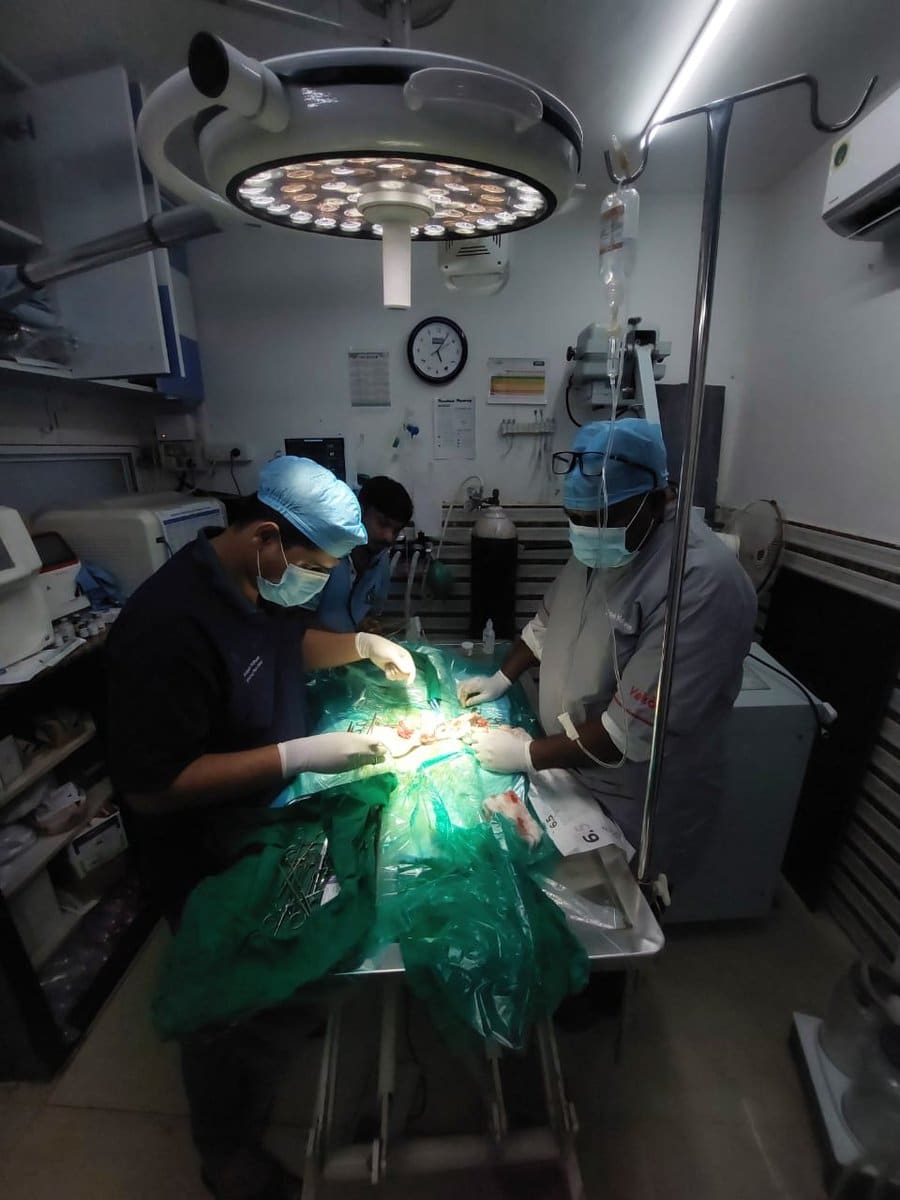
Neutering (castration) is the surgical removal of a male dog's testicles, performed under general anaesthesia. It's one of the most common and safest procedures in veterinary medicine, typically completed within 30-45 minutes with the dog going home the same evening.
Why Pet Owners Choose Neutering
- Eliminates the risk of testicular cancer entirely
- Significantly reduces prostate problems in older age
- Reduces marking, mounting, and roaming behaviour
- Often reduces aggression toward other male dogs
- Helps control the local stray dog population
What to Expect at Shivraj Pet Clinic & Lab
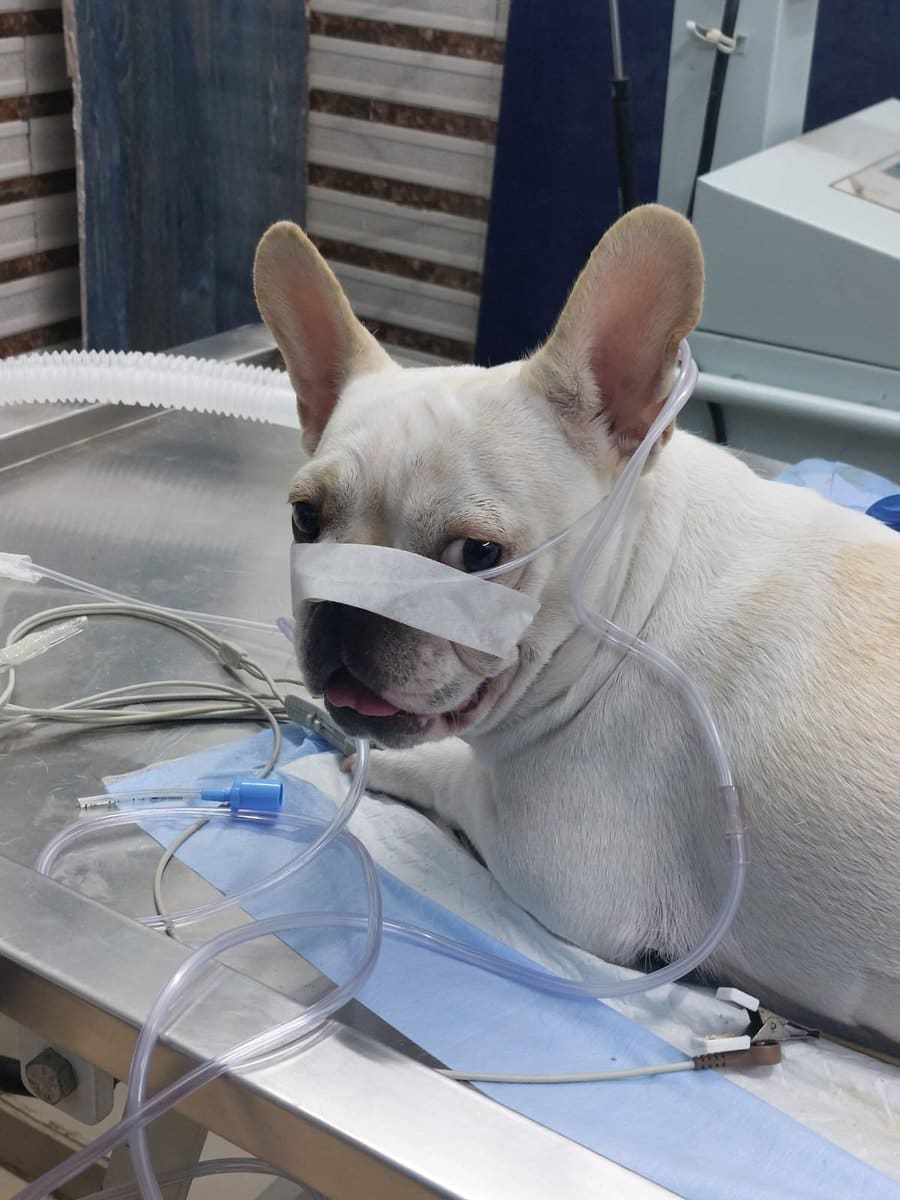
We use gas anaesthesia rather than older injectable-only protocols — it's safer for the heart and lungs, and dogs recover alertness faster. Pre-surgery bloodwork is done in our in-house lab the same morning, so there's no waiting on outside results before we operate. Most dogs go home within a few hours of surgery, with a 10-14 day recovery and a follow-up suture check included.
Common Signs to Watch For
- Roaming or escaping to find mates
- Mounting behaviour
- Urine marking indoors
- Aggression toward other male dogs
- Visible testicular swelling or asymmetry
Frequently asked questions
What age should I get my dog neutered?
Most vets, including ours, recommend neutering between 6 and 9 months of age, though we evaluate larger breeds case by case since some benefit from waiting until closer to a year.
Will neutering change my dog's personality?
It typically reduces roaming, marking, and male-to-male aggression, but won't change a dog's core temperament or playfulness.
How long is recovery?
Most dogs are back to normal activity within 10-14 days. We provide an e-collar and pain medication, and a follow-up check is included.
Is anaesthesia safe for older dogs?
We run pre-anaesthetic bloodwork on every patient, especially seniors, using our in-house lab to assess organ function before surgery.
From the blog