Medically reviewed by Dr. Pritesh Vidhate, BVSc & AH, MVSc (Veterinary Epidemiology & Preventive Medicine) — 24+ years of experience in companion animal and exotic pet medicine.
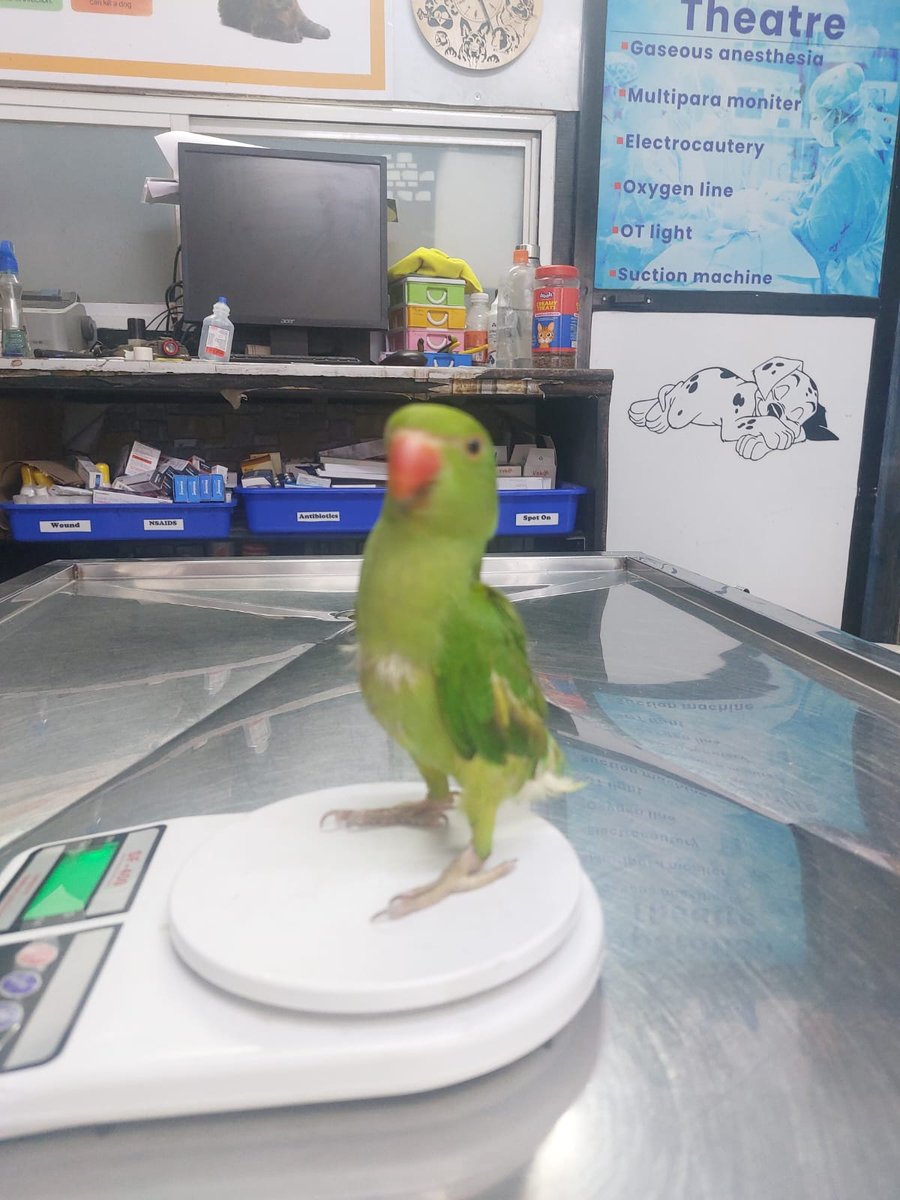
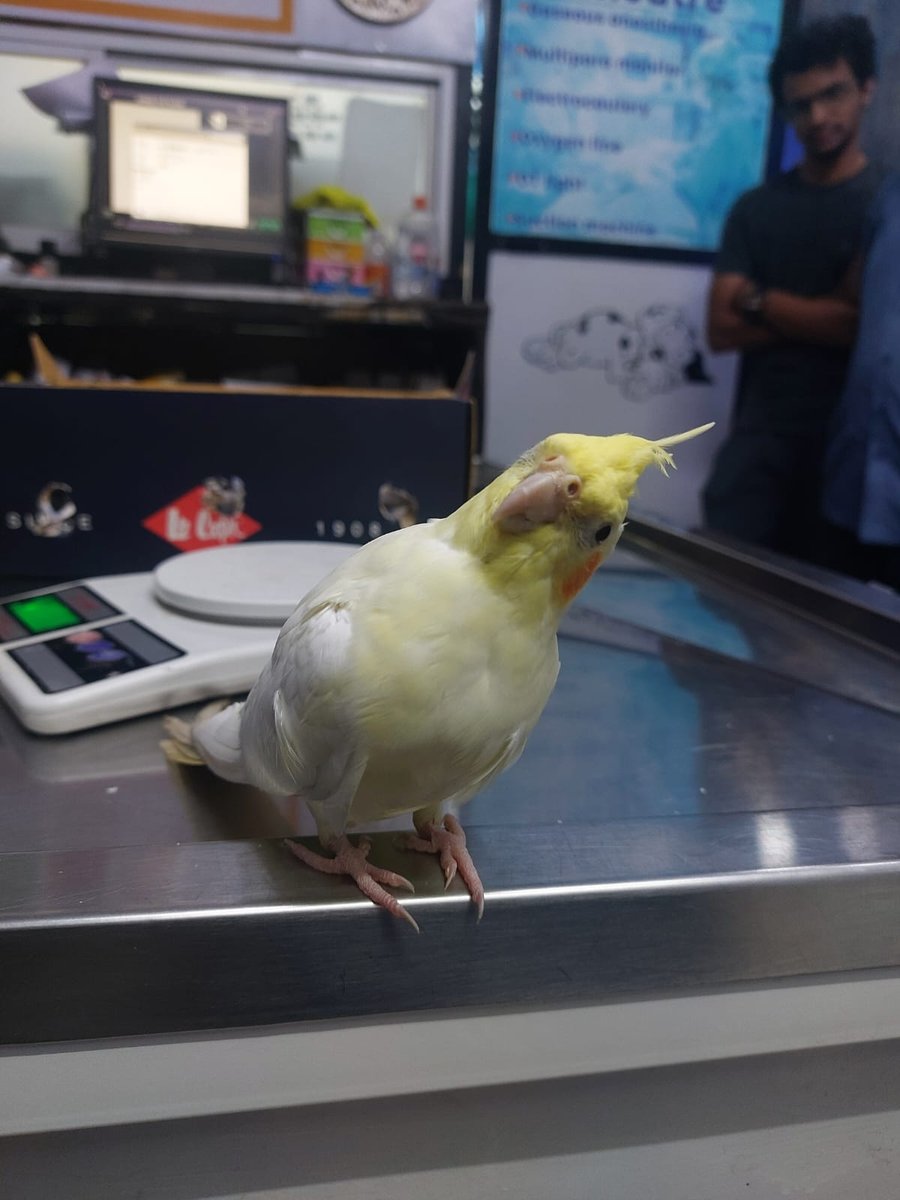
Most parrot species — African Greys, budgies, cockatiels, macaws, and lovebirds among them — are monomorphic, meaning males and females look identical to the naked eye. If you've ever guessed your bird's gender from behaviour alone and been wrong, you're not alone. At Shivraj Pet Clinic & Exotic Animal Centre, Wakad & Pimple Saudagar, Pune, feather DNA sexing is the test we recommend whenever certainty actually matters — breeding, pairing, or simply settling the debate at home.
Quick Facts
| Species tested | Parrots, budgies, cockatiels, lovebirds, macaws, most companion bird species |
| Sample needed | 5–6 chest feathers with intact follicles |
| Turnaround time | 7–10 days |
| Accuracy | 99%+ when sample is collected correctly |
| Invasiveness | Minimal — no blood draw, no sedation required |
What Is Feather DNA Sexing?
Feather DNA sexing is a laboratory test that determines a bird's genetic sex by analysing DNA extracted from the base of freshly plucked feathers — specifically the follicle, the living tissue at the root. Unlike surgical sexing (which requires anaesthesia and an endoscope), this method is non-invasive and can be done during a routine clinic visit.
Why It Matters
- Breeding management — you cannot pair birds responsibly without knowing their sex
- Behavioural understanding — hormonal behaviours in birds (nesting, aggression, egg-laying) are sex-linked
- Health planning — female birds carry unique risks such as egg binding that males don't; knowing sex shapes preventive care
- Legal and pedigree documentation — some breed registries and export processes require confirmed sex
How the Test Works
- Feather collection — we pluck 5–6 chest feathers with follicles attached (a brief, well-tolerated procedure)
- Sample packaging — feathers are sealed and sent to a certified genetics lab
- DNA analysis — the lab examines sex chromosomes (birds use a ZZ/ZW system, opposite to mammals)
- Results — accurate male/female determination delivered within 7–10 days
Myth vs Fact
| Myth | Fact |
|---|---|
| You can tell a bird's sex from its behaviour | Behaviour is influenced by hormones and personality, not a reliable sex indicator in monomorphic species |
| DNA sexing requires a blood draw | Feather-based sampling is standard and equally accurate, without the stress of a blood draw |
| Pelvic bone spacing tells you the sex | This old method is unreliable in most parrot species and not recommended |
Benefits of Feather DNA Sexing
- Highly accurate (99%+) when performed correctly
- Minimally invasive — no sedation, no surgery
- Suitable for chicks as young as a few weeks old
- One-time test — a bird's genetic sex never changes
Frequently Asked Questions
At what age can a bird be DNA sexed?
Feathers can be collected as soon as a chick has grown in its first chest feathers, typically a few weeks after hatching.
Does the test hurt the bird?
There is brief, momentary discomfort during feather collection, similar to what a bird experiences during normal moulting.
Can I use a moulted feather I found in the cage?
No. Moulted feathers have no living follicle tissue and cannot be used for DNA extraction.
Is this test available for all bird species?
It works for the vast majority of companion bird species. Ask us to confirm for less common species.
How much does feather DNA sexing cost?
Pricing depends on the lab and species. Call us for a current quote.
What if the result is inconclusive?
This is rare with a properly collected sample. If it happens, we recollect at no additional clinic charge.
Can DNA sexing detect health problems too?
No — it is specifically a sex-determination test, not a general health panel. Pair it with a wellness exam for full health screening.
Do I need to fast my bird before the test?
No fasting is required for feather collection.
Need reliable exotic bird care beyond DNA sexing? Explore our Exotic Animal Centre services, or read our complete bird diet guide for everyday nutrition.
Need expert advice? Book a consultation at Shivraj Pet Clinic & Exotic Animal Centre, Wakad & Pimple Saudagar, Pune — serving Vishal Nagar, Wakad, Aundh, and Baner.