

Cat Vomiting Frequently: Normal Hairballs or a Serious Problem?
Occasional hairballs are normal in cats — frequent vomiting is not. Learn to tell the difference and when it signals something more serious.
· 5 min read
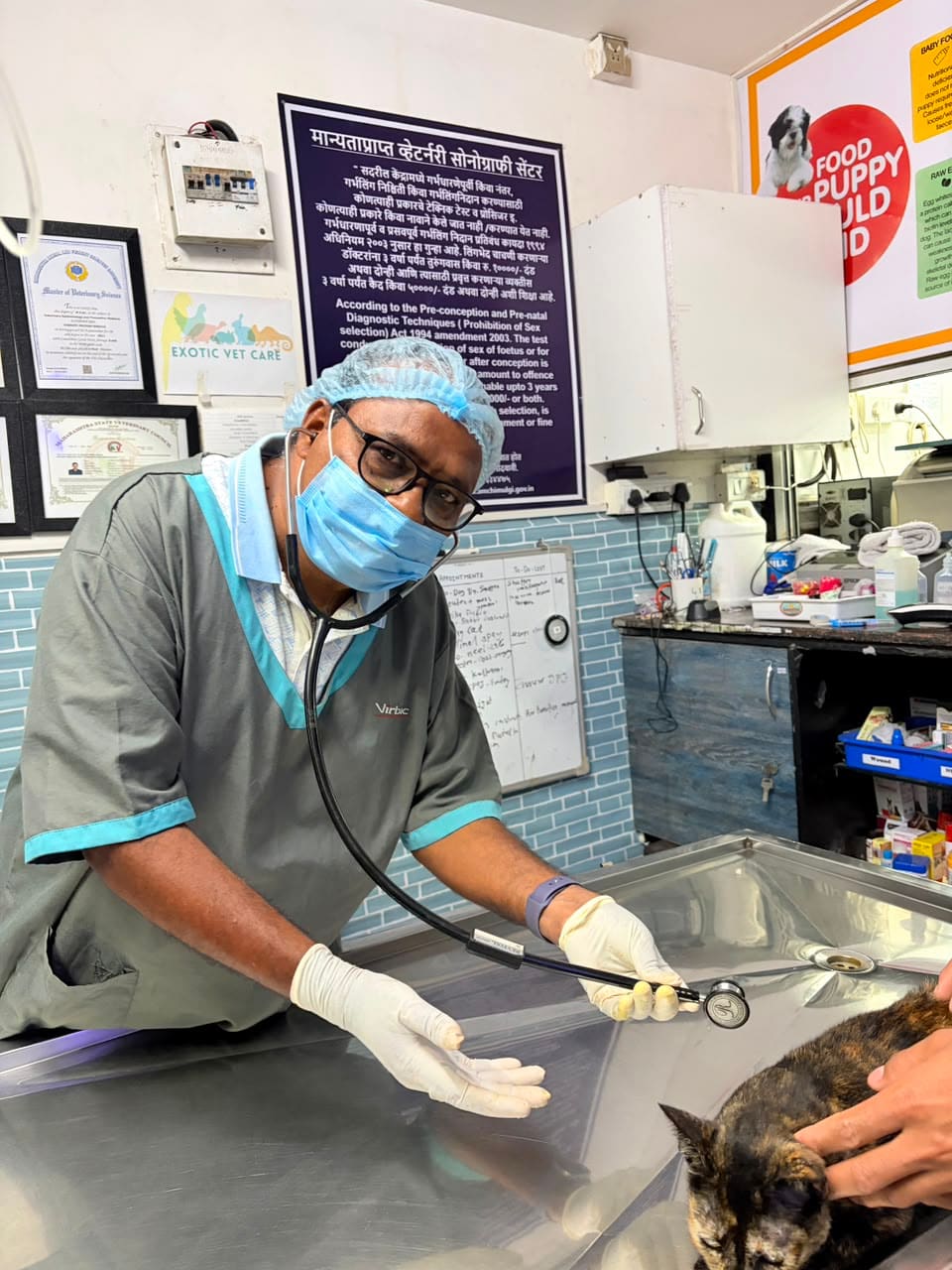
Medically reviewed by Dr. Pritesh Vidhate, BVSc & AH, MVSc (Veterinary Epidemiology & Preventive Medicine).
"Cats vomit sometimes, that's normal" is true and also the exact belief that lets real problems go unnoticed for too long.
What's Actually Normal
An occasional hairball, especially in longer-haired cats, brought up once every week or two in an otherwise healthy, active cat is generally not concerning.
What's Not Normal
Vomiting more than once or twice a week, vomiting food (not just hair), weight loss alongside vomiting, or vomiting combined with lethargy or appetite changes all point toward something beyond routine hairballs.
Possible Underlying Causes
Chronic vomiting in cats can stem from dietary intolerance, inflammatory bowel disease, hyperthyroidism, kidney disease, or other chronic conditions — "just hairballs" is a diagnosis of exclusion, not a default assumption.
When to See a Vet
Frequency is the key signal — if you're seeing vomiting weekly or more, or if anything else has changed (appetite, weight, energy), it's time for an actual workup rather than continued at-home monitoring.
Frequently Asked Questions
Does hairball paste prevent all vomiting-related issues?
It can help with hair passage but won't address an underlying medical cause if one exists — don't rely on it if vomiting is frequent.
Is vomiting after eating too fast a concern?
Occasional regurgitation right after fast eating is usually mechanical, not medical — try smaller, slower-paced meals and monitor.
Can chronic vomiting be linked to diet?
Yes — food intolerance or sensitivity is a real and treatable cause worth investigating with your vet.
What tests help find the cause of chronic vomiting?
Bloodwork, and sometimes imaging or further gastrointestinal workup, depending on findings and history.
Call Shivraj Pet Clinic & Lab at 077569 65169 or book an appointment online — we serve pet parents across Pimple Nilakh, Wakad, Pimple Saudagar, and Vishal Nagar, with same-visit lab results and full diagnostic support under one roof.
Keep reading