

Dog Breathing Fast While Resting: Causes and Emergency Warning Signs
A dog breathing rapidly while resting — not after exercise — can signal pain, heart disease, or a respiratory emergency. Here's how to tell what's normal.
· 5 min read
Medically reviewed by Dr. Pritesh Vidhate, BVSc & AH, MVSc (Veterinary Epidemiology & Preventive Medicine).
Panting after a walk is normal. A dog breathing rapidly while lying still, relaxed, in a cool room, is not — and that distinction is the key to reading this symptom correctly.
What's Normal
A resting adult dog typically breathes at a slow, steady rate. Panting immediately after exercise, excitement, or in hot weather is expected and should settle within minutes once your dog cools down and calms down.
What's Not Normal
Rapid breathing at rest, with no obvious trigger, that persists for more than a few minutes is worth paying attention to — especially if it's paired with reluctance to lie down normally, blue-tinged gums or tongue, coughing, or visible effort with each breath.
Possible Causes
Heart disease, pain (including abdominal pain), fever, anemia, and primary respiratory or chest problems can all cause increased resting respiratory rate. The range of causes is wide enough that a home guess is unreliable — this is a symptom that benefits from an actual exam.
When It's an Emergency
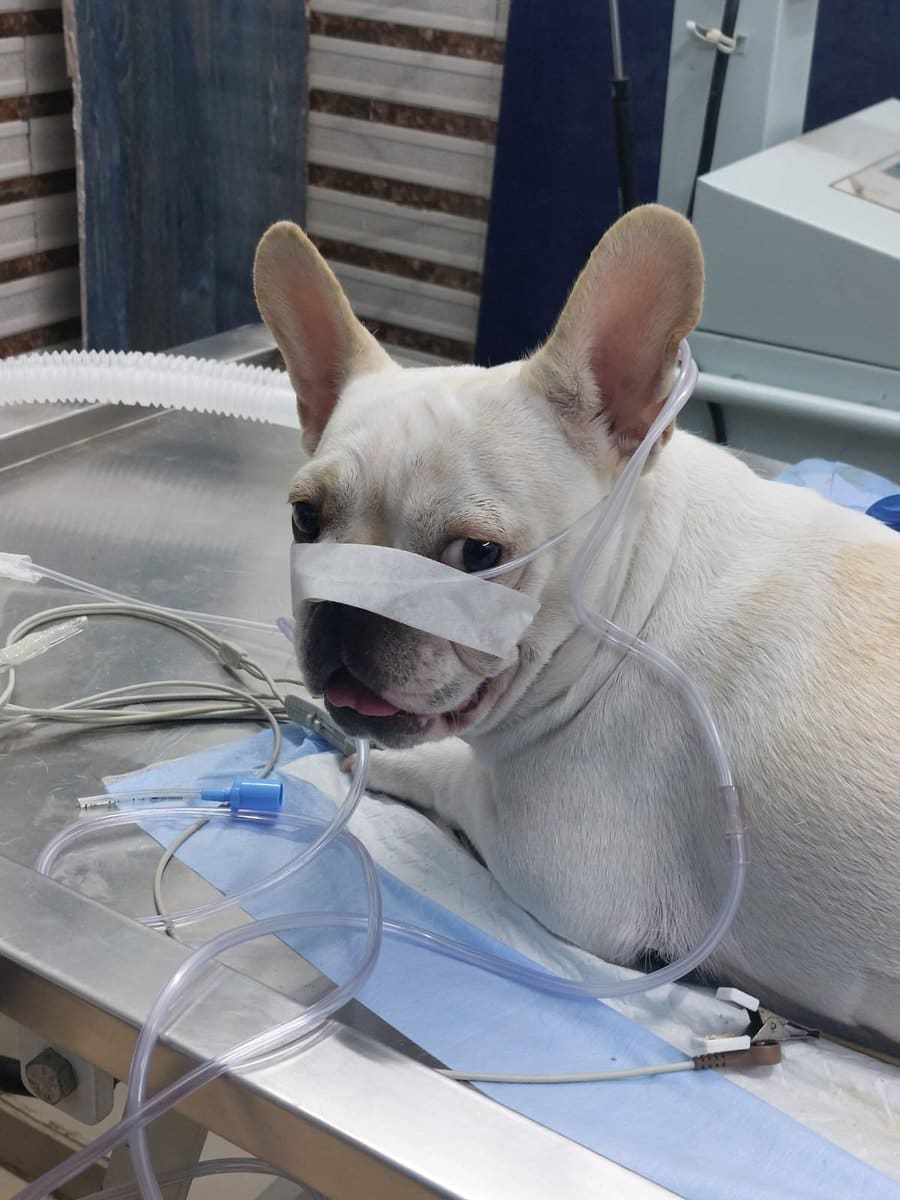
Open-mouth breathing in a dog that doesn't normally pant, blue or pale gums, or breathing that looks labored (belly moving exaggeratedly with each breath) all mean immediate veterinary attention, not a wait-and-see period.
Frequently Asked Questions
How do I count my dog's resting respiratory rate?
Count chest rises for 30 seconds while your dog is calm and resting, then double it. Most healthy dogs fall in a normal range your vet can tell you for your dog's size — a rate that's climbing over time is more telling than a single count.
Can anxiety cause rapid breathing at rest?
Yes — situational stress can cause temporary rapid breathing, but it should settle once the trigger passes. Persistent rapid breathing with no clear trigger needs evaluation.
Is this more concerning in older dogs?
Yes — older dogs are more prone to heart and respiratory conditions that cause this symptom, so it should be taken seriously at any age but especially in seniors.
Should I take my dog's temperature at home?
If you have a proper pet thermometer, it can help, but don't delay a vet visit trying to gather more information first if breathing looks labored.
Call Shivraj Pet Clinic & Lab at 077569 65169 or book an appointment online — we serve pet parents across Pimple Nilakh, Wakad, Pimple Saudagar, and Vishal Nagar, with same-visit lab results and full diagnostic support under one roof.
Keep reading