

Hair Fall in Dogs & Cats — When Is Shedding Normal vs a Medical Problem?
Seasonal shedding is normal — patchy bald spots or sudden hair loss are not. Learn the causes, diagnosis, and treatment for excessive hair fall in dogs and cats at Shivraj Pet Clinic & Lab, Pune.
· 4 min read
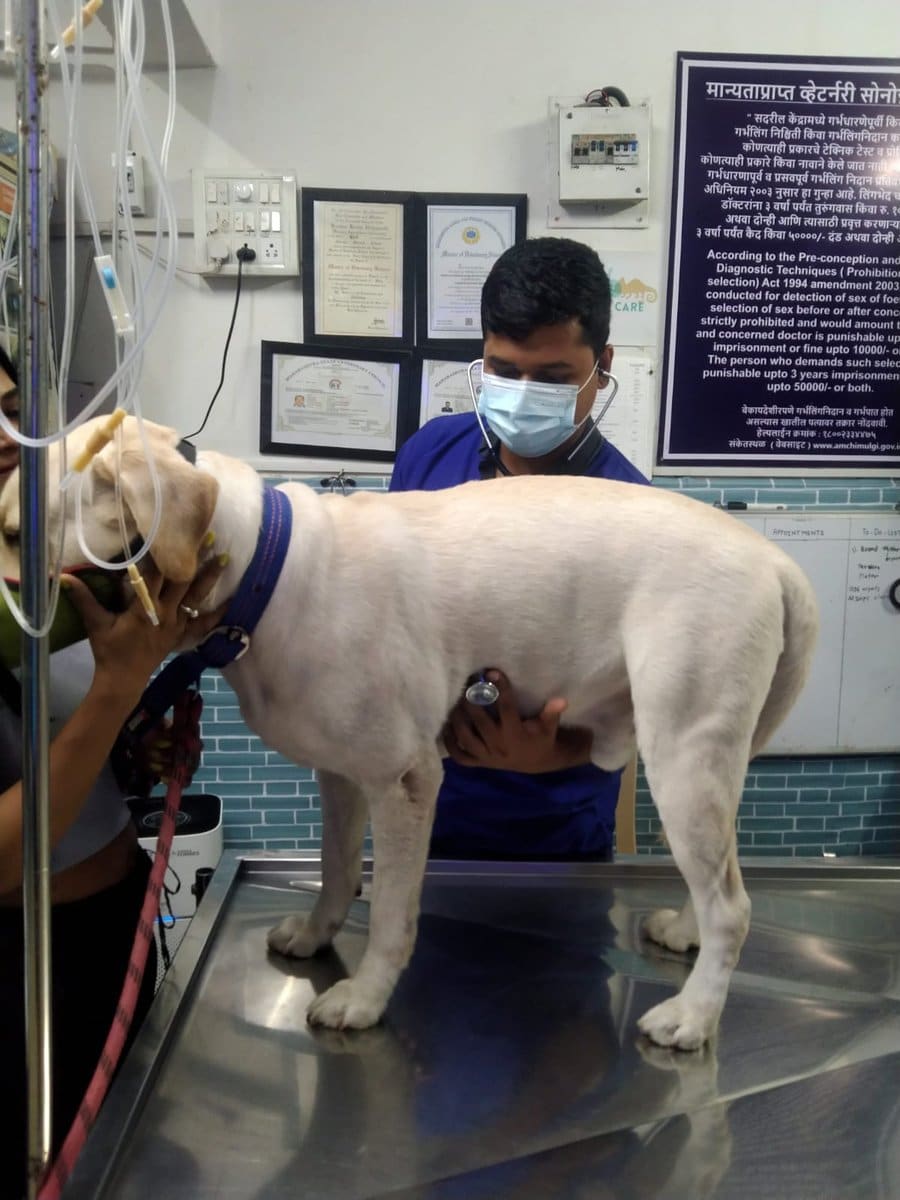
Medically reviewed by Dr. Pritesh Vidhate, BVSc & AH, MVSc (Veterinary Epidemiology & Preventive Medicine) — 24+ years of experience in companion animal and exotic pet medicine.
Every dog and cat sheds — it's a normal part of the hair growth cycle. But when shedding turns into patchy bald spots, thinning fur, or hair loss accompanied by itching and irritated skin, it's usually a sign of an underlying issue. At Shivraj Pet Clinic & Lab, Wakad & Pimple Saudagar, Pune, hair fall is one of the most common reasons pet parents bring their dogs and cats in for a skin consultation.
Quick Facts
| Species affected | Dogs and cats |
| Severity | Ranges from cosmetic to a sign of significant internal illness |
| Common causes | Allergies, fleas/ticks, hormonal disorders, nutritional deficiency, stress |
| Emergency signs | Rapid, severe hair loss with lethargy or weight change |
| Prevention | Parasite prevention, balanced diet, regular grooming, early diagnosis |
Normal vs Excessive Hair Loss
Seasonal shedding — typically heavier in spring and autumn — is completely normal and usually even across the coat. What's not normal: patchy bald areas, hair loss concentrated in one spot, accompanying itching or redness, or shedding so severe you can see the skin clearly through the coat.
Common Causes
- Allergies — food or environmental allergies causing itching and secondary hair loss from scratching
- Fleas and ticks — parasite bites trigger intense itching, especially at the base of the tail and around the neck
- Hormonal disorders — thyroid disease and other endocrine conditions frequently present first as coat changes
- Nutritional deficiencies — an unbalanced diet directly affects coat quality and growth
- Stress — cats in particular can over-groom to the point of hair loss when stressed or anxious
- Fungal infection (ringworm) — causes circular patches of hair loss, and is transmissible to humans
Myth vs Fact
| Myth | Fact |
|---|---|
| Hair loss is always just a skin problem | It's frequently a sign of an internal issue — hormonal imbalance, allergy, or nutritional deficiency |
| Shaving a shedding pet reduces future shedding | Shaving does not reduce the shedding cycle and can affect the coat's ability to regulate temperature and protect skin |
| Cats don't get allergies the way dogs do | Cats absolutely develop food and environmental allergies, often showing up as over-grooming and hair loss rather than obvious itching |
Veterinary Diagnosis
Because so many different conditions cause hair loss, an accurate diagnosis usually requires more than a visual check:
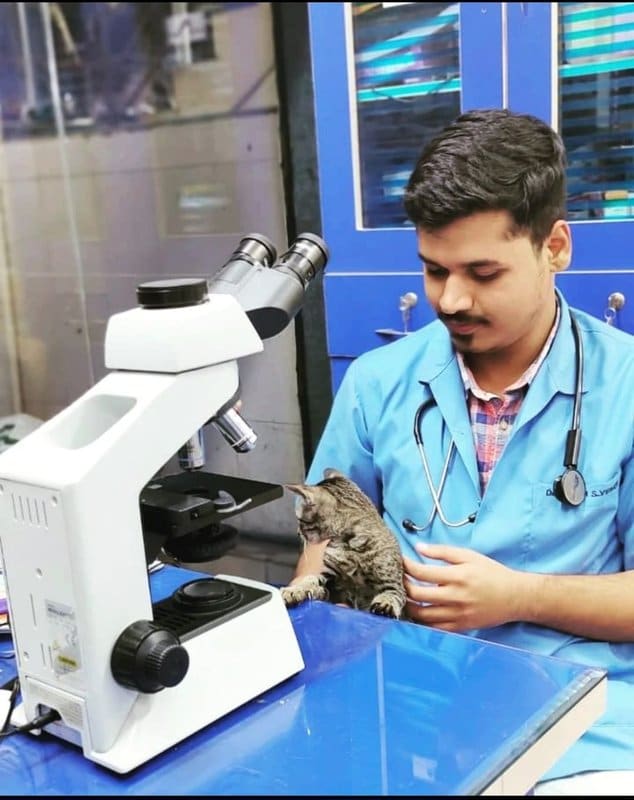
- Skin scraping — checks for mites and parasites under the microscope
- Blood tests — screens for thyroid and other hormonal imbalances
- Fungal testing — identifies ringworm and other fungal causes
- Dietary evaluation — reviews current nutrition for gaps or trigger ingredients
Home Care
- Regular grooming to distribute natural skin oils and reduce matting
- A balanced, high-quality diet appropriate for your pet's life stage
- Consistent parasite prevention year-round, not just during monsoon
- Follow-up care as directed once an underlying cause is identified and treated
Frequently Asked Questions
Is it normal for cats to over-groom?
Occasional grooming is normal, but grooming to the point of visible bald patches usually signals stress, allergy, or a medical issue.
Can diet really cause hair loss?
Yes — deficiencies in essential fatty acids and protein directly affect coat quality and can cause thinning or dull, brittle fur.
How do I know if it's fleas or something else?
Fleas usually cause hair loss concentrated at the tail base, neck, and groin, often with visible flea dirt in the coat. Other causes tend to be more evenly distributed or patchy elsewhere.
Is ringworm dangerous to humans?
Yes — ringworm is zoonotic and can spread to people, especially children. Prompt treatment and hygiene precautions are important.
Will hair grow back after treatment?
In most cases, yes, once the underlying cause is treated. Hormonal cases may take several months to show full regrowth.
Can stress alone cause hair loss in cats?
Yes — psychogenic over-grooming from stress or anxiety is a recognised and treatable cause of hair loss in cats.
Should I change my pet's food if I see hair loss?
Only after veterinary guidance — an elimination diet trial should be structured properly, not guessed at home.
How long does diagnosis usually take?
Simple cases (like fleas) are diagnosed at the first visit. Hormonal or allergy causes may need blood work or a longer diet trial to confirm.
If your pet's hair loss comes with persistent itching, our clinical medicine team can help identify the cause. For dogs specifically prone to allergy-driven skin issues, see our guide on food allergies in dogs.
Healthy skin starts with early diagnosis. Book a consultation at Shivraj Pet Clinic & Lab, Wakad & Pimple Saudagar, Pune if your pet's shedding becomes excessive.
Keep reading