Medically reviewed by Dr. Pritesh Vidhate, BVSc & AH, MVSc (Veterinary Epidemiology & Preventive Medicine) — 24+ years of experience in companion animal and exotic pet medicine.
Turtles and tortoises are often assumed to be low-maintenance pets — but their dietary needs are precise, and getting them wrong has serious long-term consequences. At Shivraj Pet Clinic & Exotic Animal Centre, Wakad & Pimple Saudagar, Pune, improper nutrition is one of the most common underlying causes behind the shell and bone problems we treat.
Quick Facts
| Species covered | Aquatic turtles and land tortoises |
| Severity of poor diet | Can cause permanent shell deformity and metabolic bone disease |
| Key nutrient | Calcium-to-phosphorus ratio and UVB exposure for Vitamin D3 synthesis |
| Foods to avoid | Bread, dairy, processed foods, avocado, excessive spinach |
| Prevention | Species-specific diet plus proper UVB lighting |
Why Diet Matters
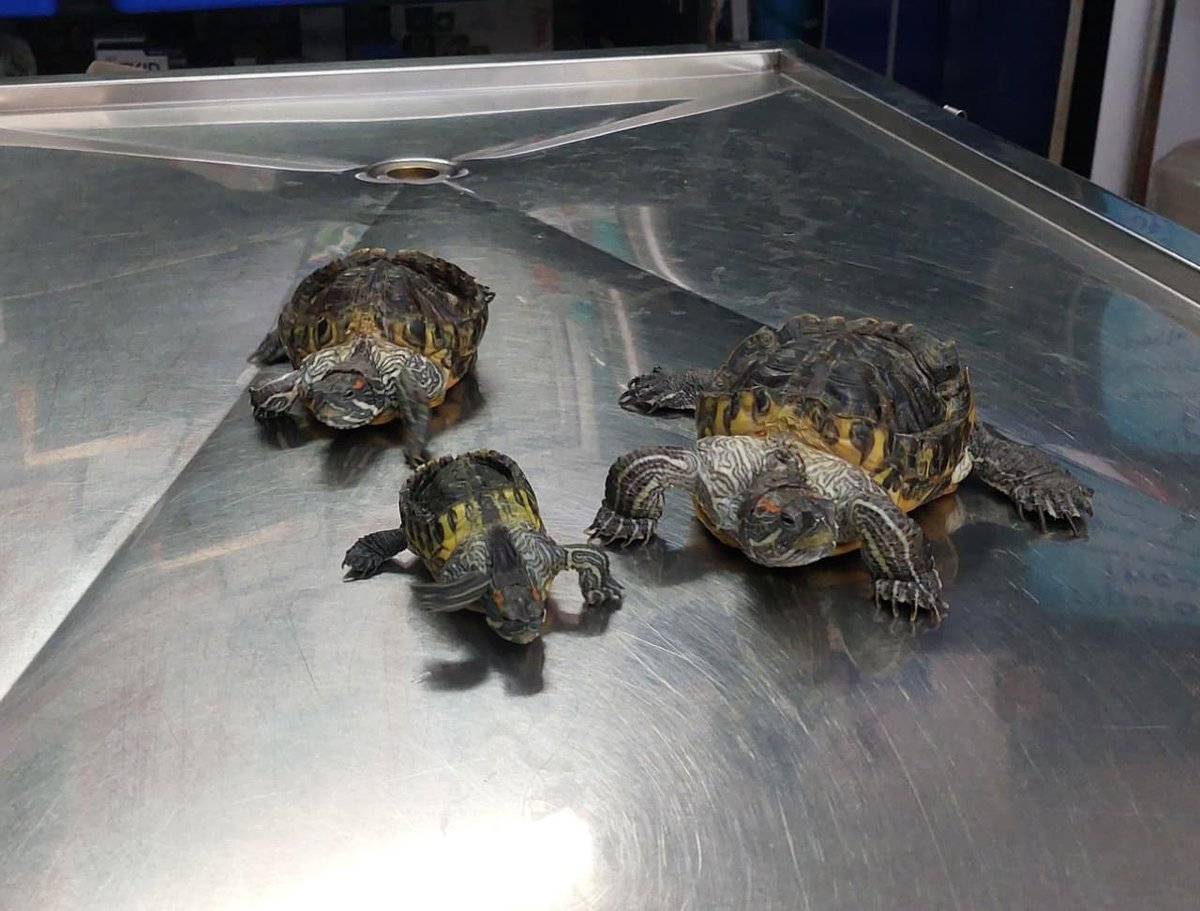
Improper nutrition contributes directly to metabolic bone disease (a weakening and softening of the shell and skeleton), shell deformities, obesity, and kidney disease. Because turtles and tortoises grow slowly, dietary mistakes often don't show visible effects for months — by the time deformity is visible, the damage may already be permanent.
Aquatic Turtle Diet
| Food Group | Percentage of Diet |
|---|---|
| Pellets (complete aquatic turtle formula) | 40–50% |
| Leafy greens | 20–25% |
| Aquatic plants | 10–15% |
| Protein (fish, insects) | 15–20% |
| Fruit | Under 5% |
Tortoise Diet
| Food Group | Percentage of Diet |
|---|---|
| Leafy greens | 70–80% |
| Vegetables | 15–20% |
| Edible flowers (hibiscus, nasturtium) | 5–10% |
| Fruit | Under 5% |
Foods to Avoid
❌ Bread • Dairy products • Processed human food • Avocado • Excessive spinach (binds calcium) • Iceberg lettuce (little nutritional value) • Canned pet food not formulated for reptiles
Myth vs Fact
| Myth | Fact |
|---|---|
| Lettuce is a good staple food for tortoises | Iceberg lettuce is mostly water with minimal nutrition — dark leafy greens are far better staples |
| Fruit should make up a large part of the diet | Fruit should be under 5% of the diet — too much causes digestive upset and imbalanced nutrition |
| If they're growing, the diet must be fine | Turtles can grow in size while still developing metabolic bone disease — growth alone isn't proof of good nutrition |
Calcium and Supplementation
Most captive turtles and tortoises benefit from calcium supplementation (calcium powder dusted on food), especially growing juveniles and egg-laying females. Cuttlebone is a convenient, self-regulating calcium source for many species. Ask us for a species-specific supplementation schedule.
Frequently Asked Questions
How often should I feed my turtle or tortoise?
Juveniles typically need daily feeding; adults often do well with feeding every 1–2 days, depending on species. We can advise based on your pet's age and species.
Can I feed my tortoise fruit every day?
No — fruit should stay under 5% of the diet and is best offered as an occasional treat, not a daily staple.
Do all species need the same calcium supplementation?
No — requirements vary by species, age, and whether the female is reproductively active. Ask us for specifics.
Is tap water safe for aquatic turtles?
Tap water is generally fine once dechlorinated; ask us about appropriate water conditioning for your setup.
What's the biggest dietary mistake you see?
Feeding a diet too high in fruit and too low in calcium-rich greens, combined with inadequate UVB lighting.
Can diet alone prevent metabolic bone disease?
No — diet must be paired with proper UVB lighting for calcium to be metabolised effectively.
Are commercial pellets enough on their own?
Pellets are a good base but should be combined with fresh greens and, for aquatic species, some protein — not fed exclusively.
My tortoise refuses vegetables — what should I do?
This can indicate a health issue or simply pickiness developed from an early diet too high in fruit. Bring your tortoise in for an assessment.
If you notice shell softness or unusual growth, our turtle health guide and Exotic Animal Centre services can help.
Species-specific diets plus correct UVB lighting are essential for lifelong shell health. Book a consultation at Shivraj Pet Clinic, Wakad & Pimple Saudagar, Pune.