Medically reviewed by Dr. Pritesh Vidhate, BVSc & AH, MVSc (Veterinary Epidemiology & Preventive Medicine) — 24+ years of experience in companion animal and exotic pet medicine.
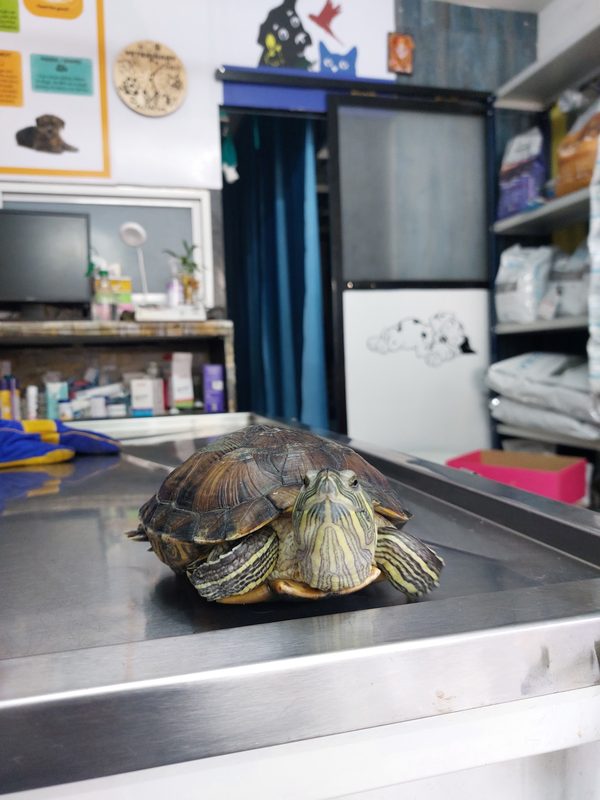
Turtles are excellent at masking illness — by the time a respiratory infection becomes visible, it's often already advanced. At Shivraj Pet Clinic & Exotic Animal Centre, Wakad & Pimple Saudagar, Pune, we regularly treat turtles and tortoises with respiratory disease, most often traced back to incorrect temperature or lighting at home.
Quick Facts
| Species affected | Aquatic turtles, tortoises, and other reptiles |
| Severity | Can be life-threatening without timely treatment |
| Common causes | Cold temperatures, poor UVB lighting, dirty water, stress |
| Emergency signs | Open-mouth breathing, wheezing, complete loss of appetite |
| Prevention | Correct temperature, UVB lighting, clean water, balanced diet |
Why Respiratory Infections Are Serious in Turtles
Unlike mammals, reptiles have a slower metabolism and a less obvious way of showing distress. A turtle with a respiratory infection can continue to appear "fine" to an untrained eye right up until the infection becomes critical. Left untreated, respiratory infections can progress to pneumonia and become life-threatening.
Symptoms to Watch For
- Wheezing or clicking sounds when breathing
- Nasal or ocular discharge
- Open-mouth breathing or gasping
- Lethargy and reduced activity
- Loss of appetite
- Floating unevenly or tilted to one side in water (buoyancy problems, common with lung involvement)
Causes
- Cold temperatures — inadequate basking spot temperature suppresses the immune system
- Poor UVB lighting — insufficient UVB affects overall immune health and calcium metabolism
- Dirty or poorly filtered water — harbours bacteria that can enter through the nose and mouth
- Stress — overcrowding, poor handling, or an unsuitable enclosure size
Myth vs Fact
| Myth | Fact |
|---|---|
| Turtles don't need special heating — room temperature is fine | Turtles require a specific basking temperature gradient; room temperature alone is almost always too cold and suppresses immunity |
| A turtle that's still eating can't have a respiratory infection | Turtles often continue eating even with a developing infection — appetite alone isn't a reliable health indicator |
| Bubbles from the nose are normal | Nasal bubbling or discharge is a common early sign of respiratory infection and should be checked promptly |
Treatment
- Veterinary antibiotics — prescribed based on examination and, where needed, diagnostic testing
- Habitat correction — adjusting basking temperature, water temperature, and UVB lighting to species-appropriate levels
- Supportive care — fluid therapy and nutritional support for turtles not eating well
- Warm, dry recovery environment — for aquatic species, this may mean limiting time in water during treatment
Prevention
- Maintain the correct basking and water temperature for your turtle's species
- Provide proper UVB lighting, replaced on schedule as bulbs lose effectiveness over time
- Keep water clean with adequate filtration and regular water changes
- Feed a balanced, species-appropriate diet to support overall immune health
Frequently Asked Questions
What temperature should my turtle's basking spot be?
This varies by species — ask us for a species-specific temperature and lighting guide during your visit.
Can respiratory infections be cured completely?
Yes, with prompt treatment and habitat correction. Delayed treatment significantly reduces the chances of full recovery.
Is this contagious to other turtles?
Some respiratory pathogens can spread between reptiles, so isolating a sick turtle from tank-mates is recommended until cleared by a vet.
My turtle is still swimming normally — could it still be sick?
Yes. Early respiratory infections can be present before obvious swimming or buoyancy changes appear.
How is a respiratory infection diagnosed?
Through physical examination, and where needed, imaging or laboratory testing to identify the specific cause.
Can poor diet contribute to respiratory illness?
Yes — nutritional deficiencies, particularly Vitamin A deficiency, weaken the respiratory tract's natural defences. See our turtle and tortoise diet guide.
How often should I check my turtle's habitat setup?
Check basking temperature and UVB bulb function regularly — UVB output declines over months even if the bulb still lights up.
Do land tortoises get respiratory infections too?
Yes, tortoises are equally susceptible, usually linked to cold, damp housing conditions.
Explore our Exotic Animal Centre for full reptile care services, including habitat consultations.
Early veterinary care significantly improves recovery. Book a consultation at Shivraj Pet Clinic, Wakad & Pimple Saudagar, Pune, or call 077569 65169.