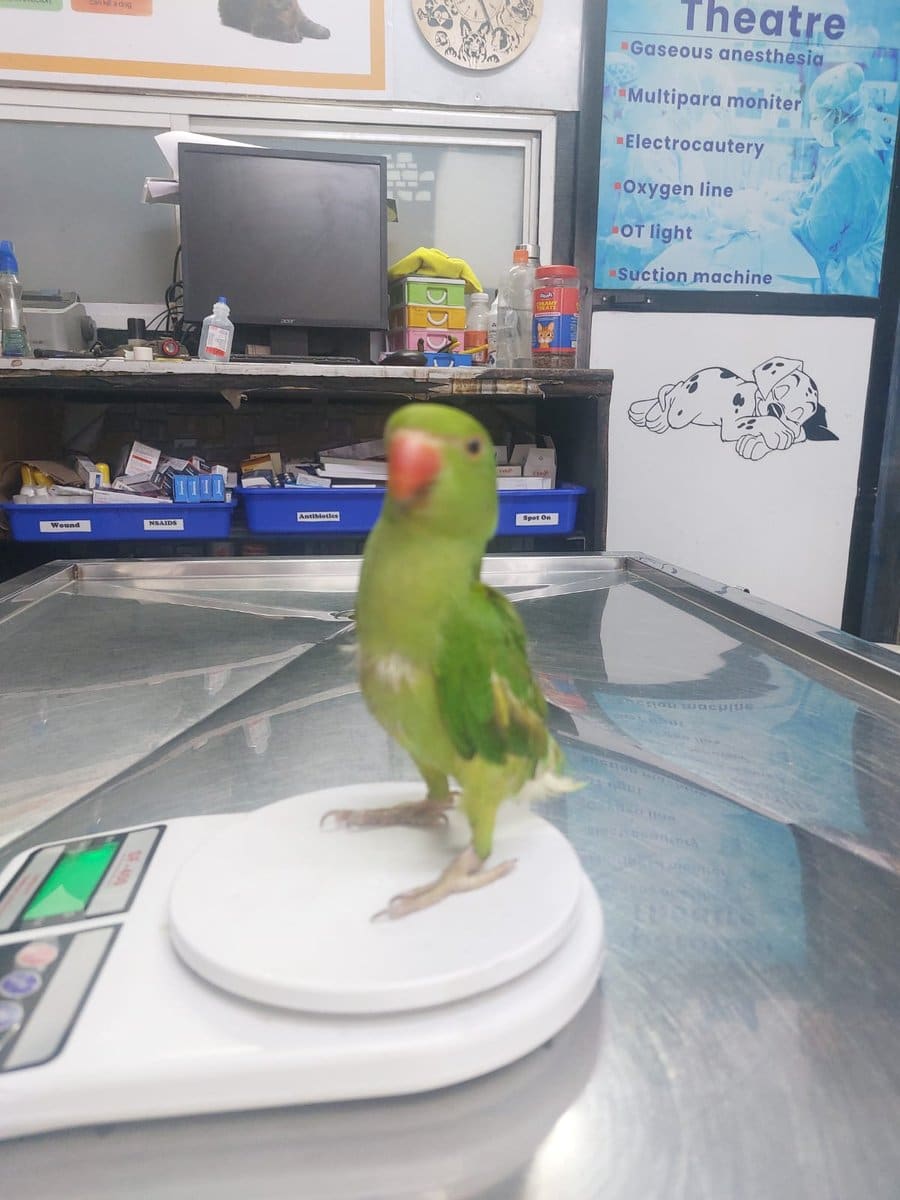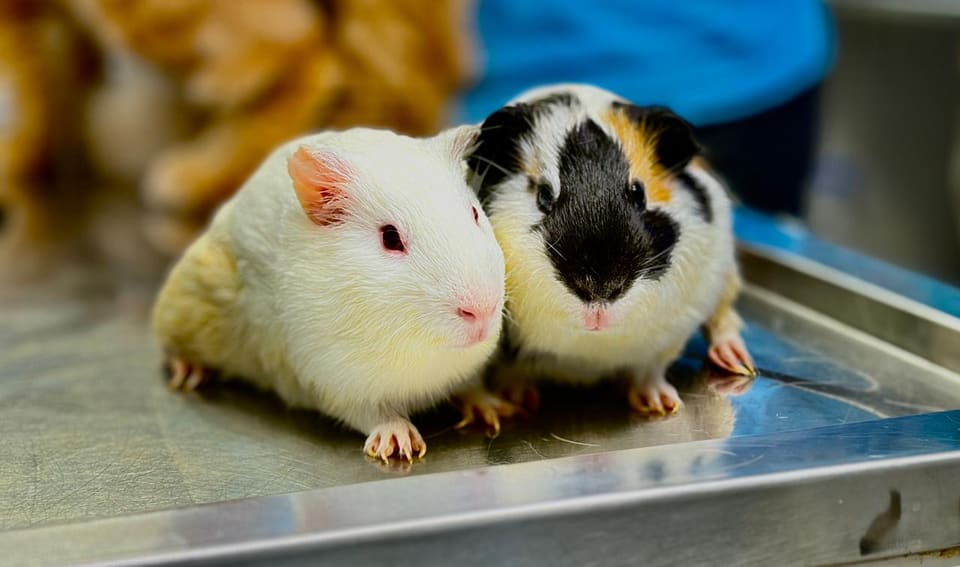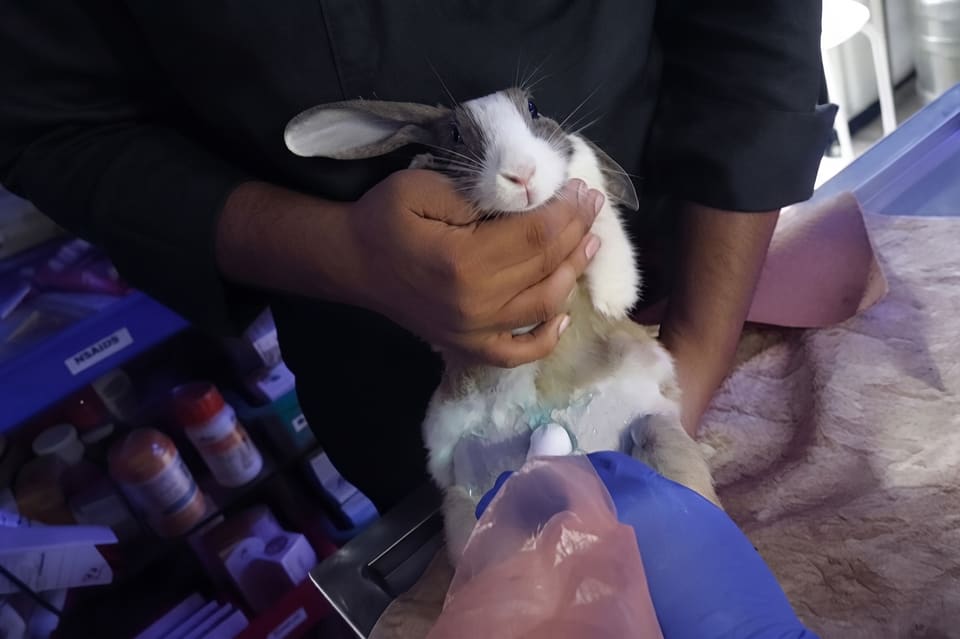


Why Finding an Exotic Pet Vet in PCMC Matters for Your Turtle, Rabbit, or Parrot
Most vets in PCMC focus on dogs and cats. Here's why exotic pets — birds, rabbits, turtles, guinea pigs — need a vet with specific species training, not general experience alone.
· 5 min read
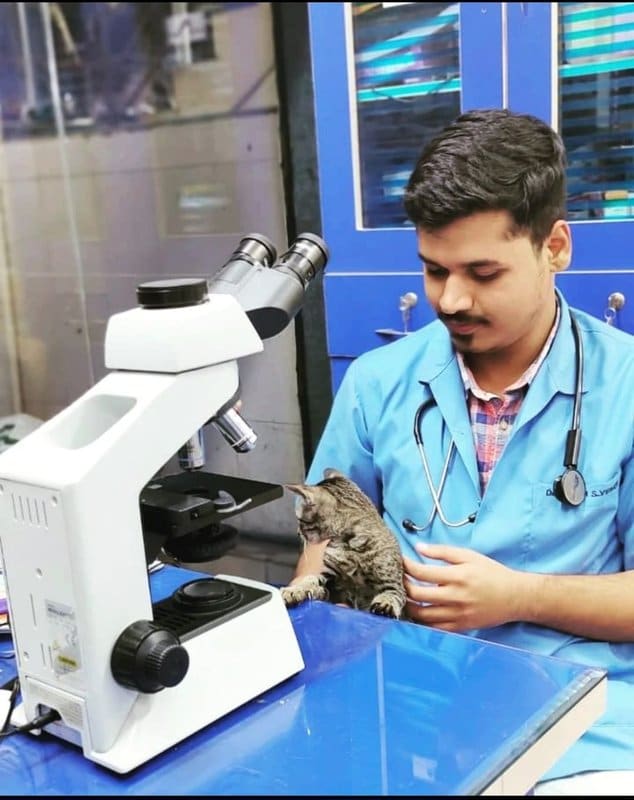
Medically reviewed by Dr. Pritesh Vidhate, BVSc & AH, MVSc (Veterinary Epidemiology & Preventive Medicine).
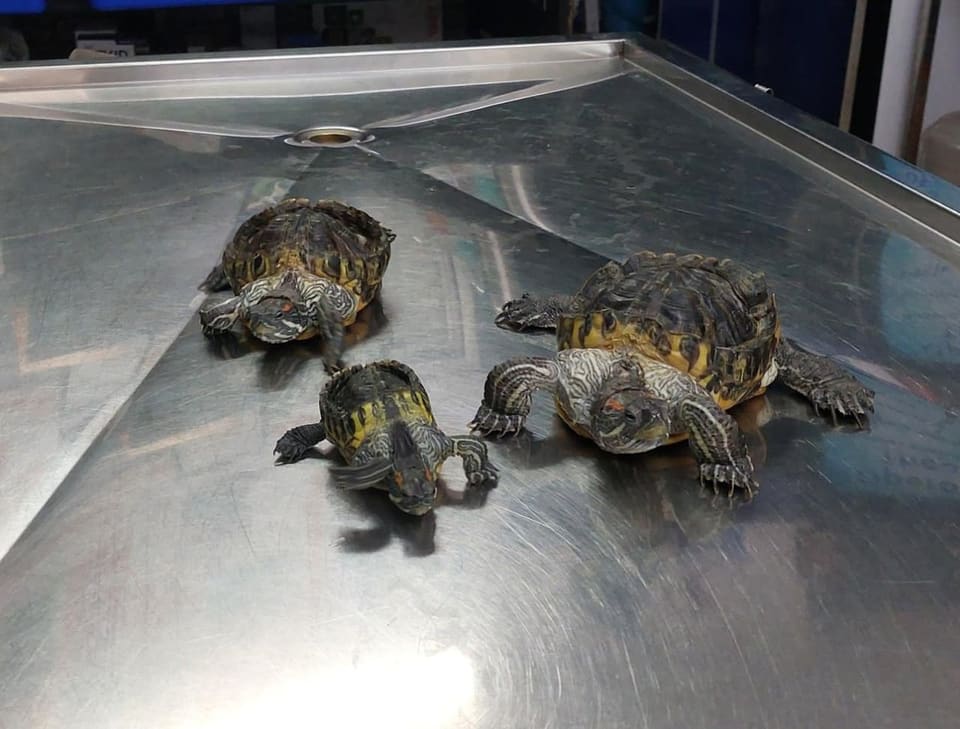
A vet who's excellent with dogs and cats isn't automatically equipped to treat a turtle, a parrot, or a rabbit. Exotic species have different anatomy, different normal values, different drug sensitivities, and different disease patterns — and general veterinary training doesn't cover all of it in depth.
Why Exotic Anatomy Changes Everything
A bird's respiratory system, a rabbit's digestive tract, and a reptile's metabolism don't map onto dog-and-cat medicine. Normal blood values, safe medication doses, and even how you physically restrain the animal for examination differ by species — mistakes here aren't just ineffective, they can be dangerous.
The Risk of a Generalist-Only Clinic
Exotic species are experts at hiding illness, which means by the time visible symptoms appear, the disease is often advanced. A vet without specific exotic training may miss early signs that an experienced exotic practitioner would catch immediately.
What to Look For in an Exotic Vet
Ask directly: does the clinic regularly see birds, rabbits, and reptiles, or occasionally? Do they have species-appropriate diagnostic tools and housing for exotic patients? Experience volume matters as much as willingness.
How Shivraj Pet Clinic & Lab Approaches Exotic Care
At Shivraj Pet Clinic & Lab, exotic pets aren't an occasional add-on — dogs, cats, birds, rabbits, turtles, guinea pigs, and other small mammals are treated under one roof with species-specific attention, not generalist guesswork.
Frequently Asked Questions
Is exotic pet care more expensive than dog/cat care?
It varies by clinic and case, but proper exotic care often requires specialized handling and diagnostics — ask your clinic for upfront cost clarity.
How do I know if my vet has real exotic experience?
Ask how many exotic patients they see regularly and whether they can name species-specific conditions confidently — vague answers are a signal.
Do turtles and tortoises need different care?
Yes — they have distinct husbandry, nutrition, and health needs from other reptiles and from each other.
Can a general vet treat an exotic pet in an emergency if no exotic vet is available?
Basic stabilization is possible, but follow-up with an exotic-experienced vet is strongly recommended for anything beyond first aid.
Call Shivraj Pet Clinic & Lab at 077569 65169 or book an appointment online — we serve pet parents across Pimple Nilakh, Wakad, Pimple Saudagar, and Vishal Nagar, with same-visit lab results and full diagnostic support under one roof.
Keep reading