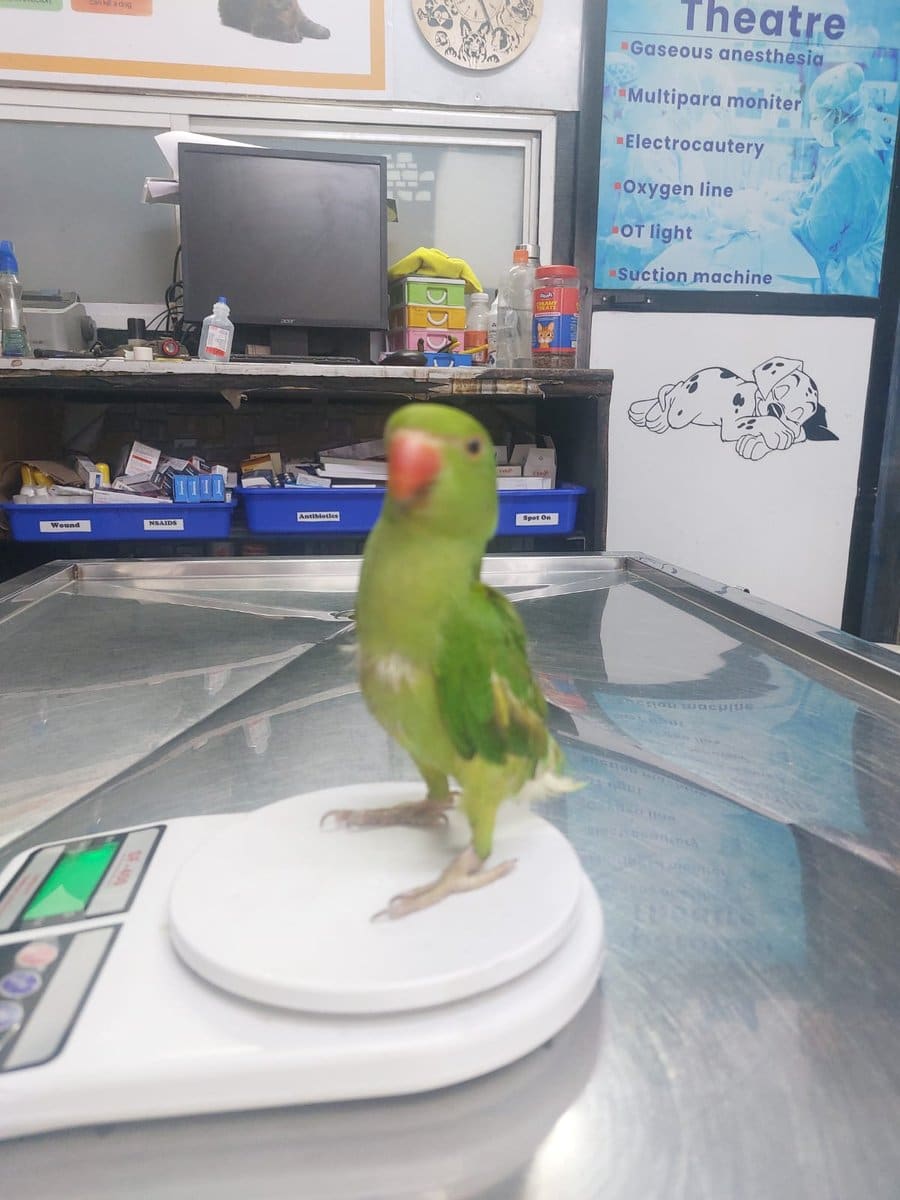


Common Respiratory Diseases in Pet Birds
Respiratory disease is a leading cause of avian illness. Learn the common conditions and why birds are particularly vulnerable.
· 5 min read
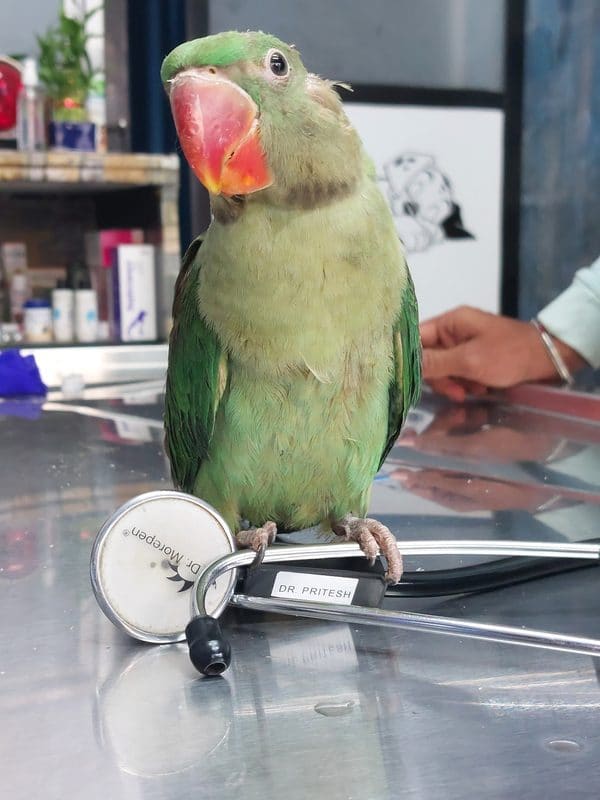
Medically reviewed by Dr. Pritesh Vidhate, BVSc & AH, MVSc (Veterinary Epidemiology & Preventive Medicine).
Birds' unique respiratory anatomy — lungs plus air sacs — means respiratory disease affects them differently, and often more seriously, than mammals.
Why Birds Are Vulnerable
The efficient but delicate air-sac system means infections or irritants can spread and impact breathing capacity more significantly than in mammals.
Common Causes
Bacterial and fungal infections, nutritional deficiency (particularly Vitamin A), and environmental irritants like smoke or fumes are common contributors.
Recognizing It Early
Tail bobbing, open-mouth breathing, and voice changes are early signs worth acting on immediately, not monitoring.
Frequently Asked Questions
Are certain environments riskier for bird respiratory health?
Yes, smoke, aerosols, and certain cookware fumes are known risks.
Can diet affect respiratory disease risk?
Yes, Vitamin A deficiency specifically is linked to increased respiratory vulnerability.
Is respiratory disease in birds always an emergency?
Any visible respiratory distress should be treated as urgent given how quickly birds can decline.
Call Shivraj Pet Clinic & Lab at 077569 65169 or book an appointment online — we serve pet parents across Pimple Nilakh, Wakad, Pimple Saudagar, and Vishal Nagar, with same-visit lab results and full diagnostic support under one roof.
Keep reading