

Exotic Animal Centre · Rabbits
Rabbit vet in Pimple Nilakh, Pune
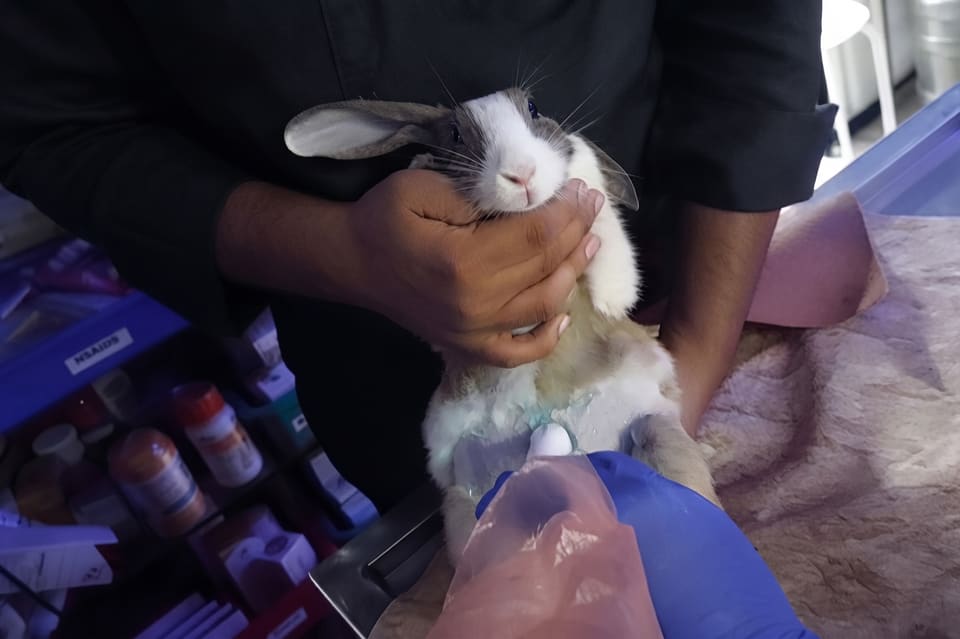
Yes, we treat rabbits. Our Exotic Animal Centre sees pet rabbits for check-ups, GI stasis, dental problems, spaying and neutering, with gaseous anaesthesia, in-house blood tests and ultrasound under one roof. Exotic consultation is ₹400.
Medically reviewed by Dr. Pritesh S. Vidhate, B.V.Sc. & A.H., M.V.Sc.
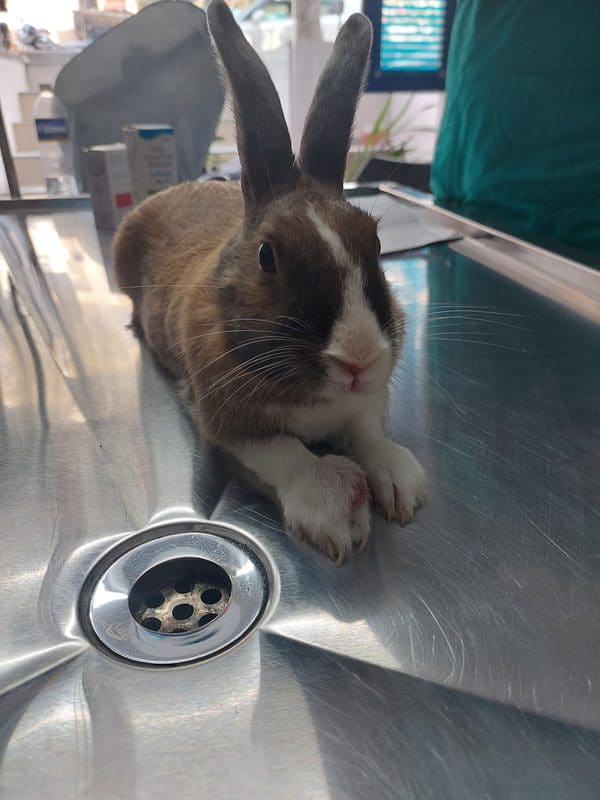
When to bring your rabbit in
A rabbit that stops eating is an emergency. Rabbits that go without food for more than 6–8 hours can develop gastrointestinal (GI) stasis, which becomes life-threatening within about 24 hours. Call the clinic straight away if your rabbit:
- has stopped eating, or is passing very small droppings or none at all
- is drooling, dropping food, or losing weight (often a sign of overgrown teeth)
- is sitting hunched in a corner, breathing with effort, or has a runny nose or eyes
- has diarrhoea that is not normal caecotropes
Rabbits hide illness. By the time a rabbit looks obviously unwell the problem is usually advanced, so being quieter than usual and eating less is reason enough to call.
What we treat in rabbits
- GI stasis, the most common life-threatening rabbit emergency we see.
- Dental disease: rabbit teeth grow continuously, and overgrown or misaligned teeth stop a rabbit eating. Dental rasping is done at the clinic.
- Spaying and neutering: castration for males and spaying for females, performed regularly by Dr. Pritesh S. Vidhate. Unspayed female rabbits have a high risk of uterine cancer as they age.
- Respiratory infections, abscesses, wounds and tumour removal.
Diagnostics and anaesthesia for rabbits
We use gaseous (inhalation) anaesthesia with species-specific protocols for rabbit procedures; injectable-only anaesthesia is riskier in small exotics and we avoid it. Blood tests run in our own pathology lab, with CBC and biochemistry ready in 15–20 minutes, and digital X-ray and ultrasound are on site, so a sick rabbit is not sent across the city for tests.
Feeding and preventive care
Most rabbit illness we see is linked to diet. A healthy daily diet is unlimited grass hay, fresh water, leafy vegetables and a measured amount of good-quality pellets. An annual check-up is the best time to weigh your rabbit, check the teeth and plan spaying or neutering.
Visiting with your pet
Shivraj Pet Clinic & Lab is at Shop No. B-4, Alpine Avenue, Aundh–Wakad Road, Vishal Nagar, Pimple Nilakh, Pune 411027, on Aundh–Wakad Road near Jagtap Dairy. It is a short drive from Wakad, Pimple Saudagar, Baner and Aundh.
- Consultation: ₹400 for exotic pets, paid at the clinic.
- Hours: Monday, Tuesday and Thursday to Sunday, 10:30 AM–1:30 PM and 3:00–8:30 PM. Closed on Wednesdays.
- Appointments: call or WhatsApp +91 77569 65169. Urgent cases are seen during opening hours; we do not offer after-hours emergency service.
Frequently asked questions
Do you treat rabbits in Pune?
Yes. Rabbits are seen at our Exotic Animal Centre in Pimple Nilakh, Pune, for check-ups, illness, dental care and surgery. The exotic consultation is ₹400.
My rabbit has stopped eating. Is it an emergency?
Yes. A rabbit that stops eating can develop GI stasis, which becomes life-threatening within about 24 hours. Call the clinic immediately if your rabbit stops eating or producing droppings.
Do you spay and neuter rabbits?
Yes. Rabbit spaying and neutering are done regularly at the clinic under gaseous anaesthesia. Spaying protects female rabbits from uterine cancer, which is common in unspayed females as they age.
Is anaesthesia safe for rabbits?
Yes, when it is done with gaseous anaesthesia, a pre-operative check and careful monitoring. That is the approach we use for rabbits; we avoid injectable-only anaesthesia in small exotics.
Why are my rabbit's teeth overgrowing?
Because rabbit teeth grow throughout life and need constant wear from hay. Too little hay, genetics or dental disease lead to painful overgrowth, which we treat with dental rasping at the clinic.
From the blog