

Parrot Diseases Explained: From Vitamin A Deficiency to Egg Binding
A condition-by-condition guide to the most common parrot diseases — respiratory illness, nutritional deficiency, feather plucking, liver disease, egg binding, and heavy metal toxicity — and what each one means for treatment.
· 6 min read
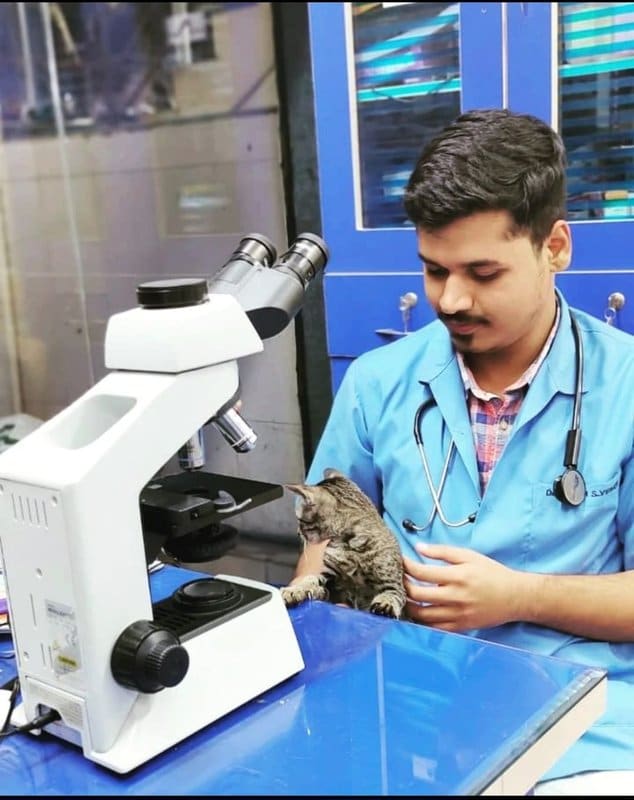
Medically reviewed by Dr. Pritesh Vidhate, BVSc & AH, MVSc (Veterinary Epidemiology & Preventive Medicine).
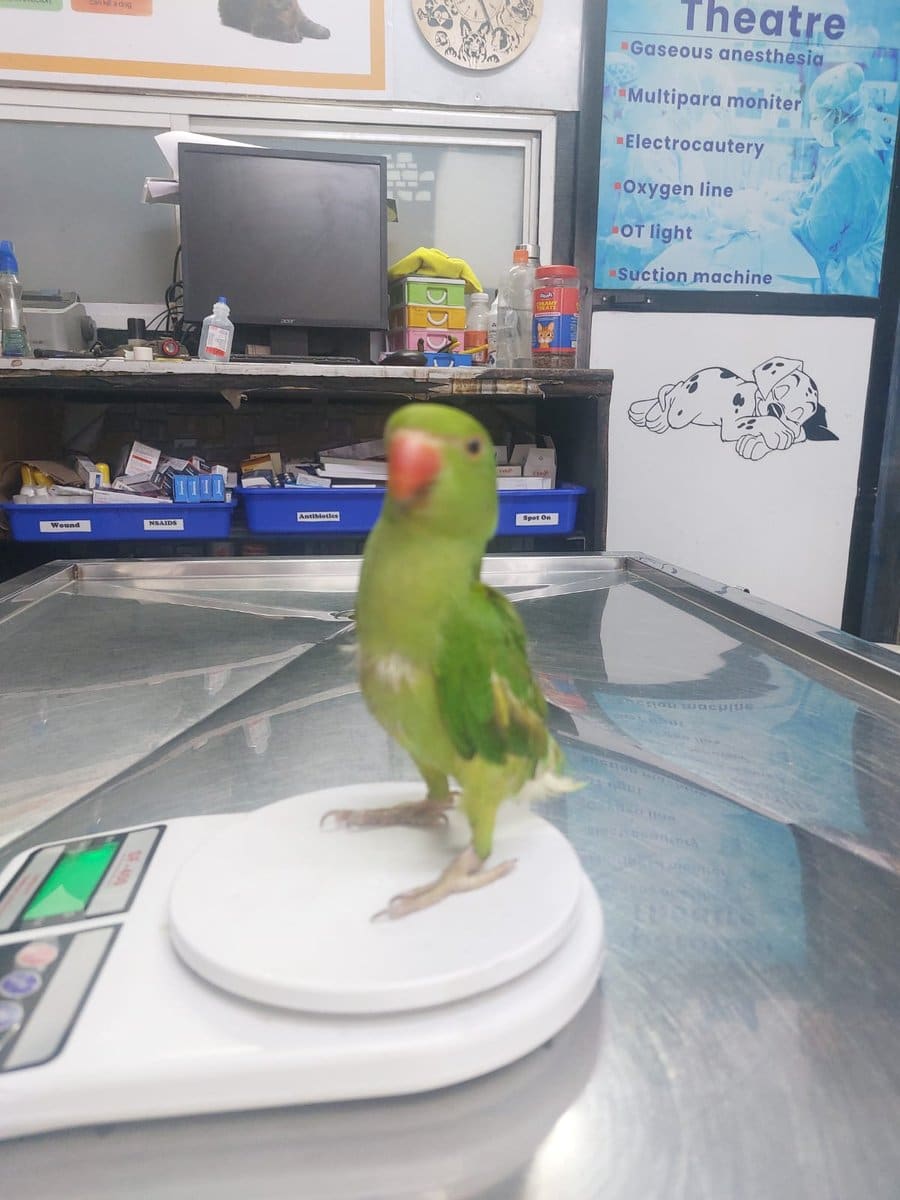
Parrots don't just get “sick” in one generic way — different diseases in companion birds have distinct causes, distinct warning signs, and distinct treatment paths. If you've already read our guide on Sick Bird Syndrome and know your parrot is hiding something, this is the next step: understanding what conditions are actually on the table, so you know what your vet is checking for and why. At Shivraj Pet Clinic & Lab, exotic bird cases are worked up individually — a cockatiel with feather loss and a macaw with breathing trouble are not the same diagnostic problem, even though both are “a sick bird.”
Respiratory Disease
Birds have a highly specialized respiratory system of lungs and air sacs, which means even a mild infection can escalate quickly. Watch for open-mouth breathing, tail bobbing while breathing, wheezing, nasal discharge, or a change in voice. Open-mouth breathing or an inability to perch normally is an emergency, not a wait-and-watch symptom.
Nutritional Deficiencies
An all-seed diet is one of the most common root causes of chronic illness in pet parrots. Sunflower seeds, millet, and peanuts are palatable but nutritionally incomplete — particularly for Vitamin A. Deficiency shows up as poor feather quality, higher infection susceptibility, and changes around the beak and skin. The fix isn't a supplement alone; it's a species-appropriate, formulated diet with fresh vegetables.
Feather Plucking
Plucking is frustrating for owners because it looks purely behavioral — but it isn't always. Stress, boredom, and hormonal changes can cause it, but so can skin irritation, parasites, pain, and underlying disease. Treating it as “just a habit” without a veterinary workup risks missing a medical cause entirely.
Digestive and Liver Problems
Reduced appetite, regurgitation, and changes in droppings are early digestive warning signs. Liver disease is a step further and more dangerous because it often produces very few visible symptoms until it's advanced — birds on high-fat, high-seed diets are at higher risk. Diagnostic testing, not observation alone, is what catches this early.
Heavy Metal Toxicity
Curious birds chew on what's around them — old paint, metal toys, batteries, jewelry. Lead and zinc toxicity can cause weakness, digestive upset, seizures, and neurological signs. Diagnosis usually needs X-rays and lab testing, since the symptoms alone overlap with several other conditions.
Frequently Asked Questions
Can one parrot show signs of more than one condition at once?
Yes, and it's common — a bird on a poor diet is more prone to infection, feather problems, and liver strain simultaneously. That's why a full workup, not a single symptom check, matters.
Is feather plucking ever purely behavioral?
It can be, but only after medical causes — skin disease, parasites, pain, nutritional deficiency — have been ruled out first.
How is egg binding treated?
Treatment depends on the bird's condition and may include supportive care, calcium therapy, or manual assistance under veterinary supervision. Never attempt to manipulate an egg-bound bird at home.
Can heavy metal toxicity be prevented?
Largely yes — keep painted or metal objects, batteries, and jewelry out of reach, and supervise out-of-cage time.
Call Shivraj Pet Clinic & Lab at 077569 65169 or book an appointment online — we serve pet parents across Pimple Nilakh, Wakad, Pimple Saudagar, and Vishal Nagar, with same-visit lab results and full diagnostic support under one roof.
Keep reading