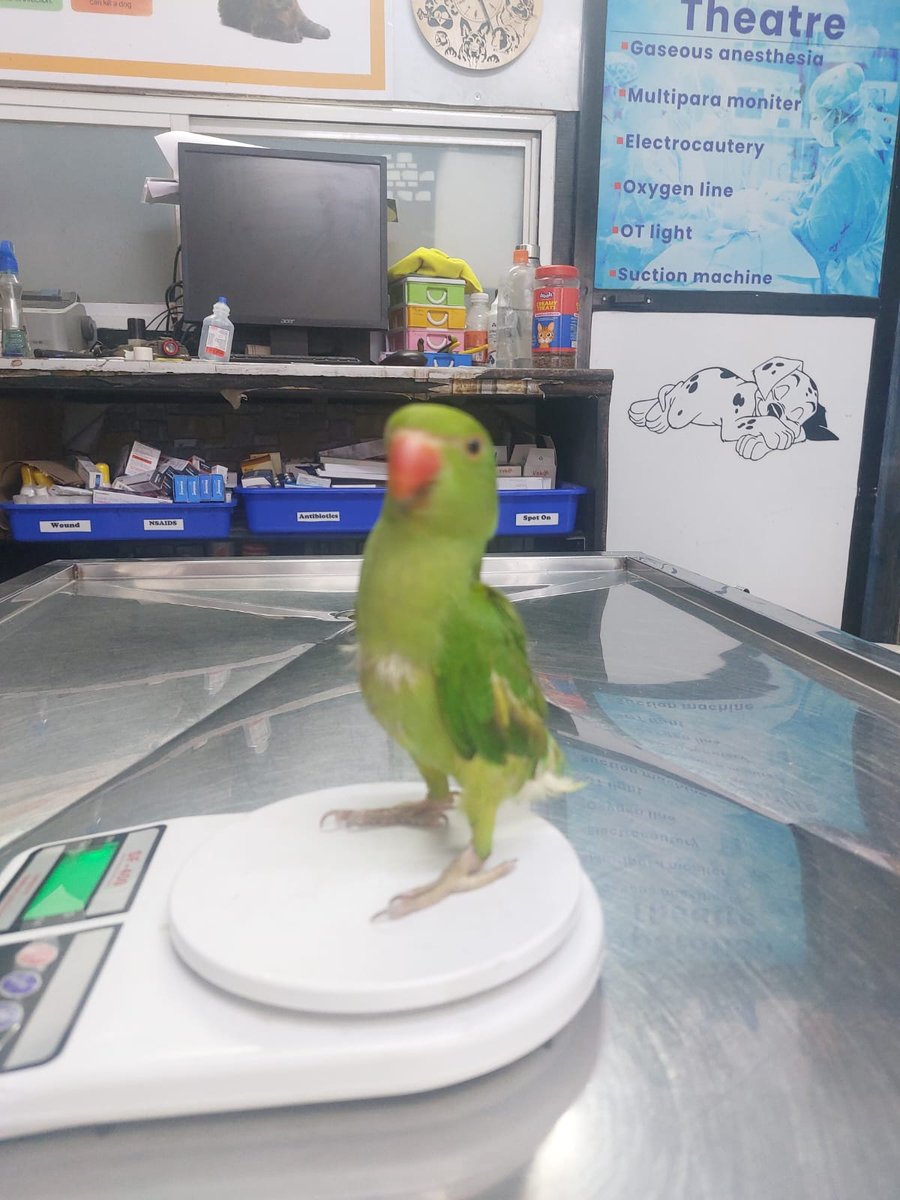
Birds are prey animals with a powerful instinct to hide illness. In the wild, showing weakness attracts predators — so birds mask signs of disease until they can no longer compensate. By the time a bird looks obviously sick, it has often been ill for days. This is why bird owners must know the subtle early signs of illness, and why acting within hours is often the difference between recovery and death.
Why Bird Illness is Deceptive
A bird that appears healthy in the morning can be critically ill by evening. Their small body mass means they have very little reserve — dehydration, hypoglycaemia, and respiratory failure can develop within hours once compensation fails. Never wait to see if a sick bird "gets better on its own."
Early Signs Your Bird is Unwell
Posture:
- Sitting on the bottom of the cage rather than on perches
- Fluffed up feathers — the most recognisable sign of illness in birds
- Head tucked under the wing when not sleeping
- Leaning to one side or having difficulty balancing
Eyes:
- Partially closed or squinted eyes during the day
- Discharge around the eyes
- Sunken eyes indicate significant dehydration
Breathing:
- Tail bobbing with each breath — indicates respiratory distress
- Open-mouth breathing or clicking sounds
- Voice changes or loss of vocalisation in normally vocal birds
Droppings:
- Normal bird droppings have three components: dark green/brown faeces, white urates, and clear liquid urine
- Abnormal: all green (bile), blood-tinged, completely liquid, black/tarry, or significantly decreased in number
Feeding and Behaviour:
- Reduced appetite or interest in food
- Drinking significantly more or less water than usual
- Uncharacteristic quietness in normally active birds
- Loss of interest in toys, social interaction, or familiar activities
Common Diseases in Pet Birds
Avian polyomavirus — affects young birds, sudden death or feather abnormalities.
Psittacine beak and feather disease (PBFD) — progressive feather destruction and beak abnormalities in parrots.
Aspergillosis — fungal respiratory infection, common in immunocompromised birds or those kept in damp environments.
Egg binding — female birds unable to pass an egg. Emergency requiring immediate veterinary care.
Crop infection (candidiasis) — yeast infection of the crop causing regurgitation and sour smell.
Proventricular dilatation disease (PDD) — progressive neurological and gastrointestinal disease in parrots.
What to Do When Your Bird is Sick
- Keep your bird warm — place the cage in a warm (28–30°C), quiet location. Heat support is critical as sick birds lose body temperature rapidly.
- Do not offer new foods or supplements — stick to familiar foods that the bird is comfortable eating.
- Call and come immediately — do not wait for the "next available appointment." A sick bird needs same-day care.
- Transport carefully — minimise stress during transport. Cover most of the carrier to create a dark, calm environment.
At Shivraj Pet Clinic, we have experience with birds of all species — from budgies and cockatiels to parrots, finches, and lovebirds. Call 077569 65169 immediately if your bird shows any of the above signs.